How to Treat Brain Fog
How to Treat Brain Fog in ME/CFS, Fibromyalgia, and Long COVID/PASC
Brain Fog Is Not Just Annoying. It Is Life-Altering.
Brain fog is one of the most disabling symptoms in ME/CFS, fibromyalgia, and long COVID/Post-Acute Sequelae of COVID (PASC). It is not just forgetfulness. It can feel like your brain has slowed down, your words disappear mid-sentence, and simple mental tasks require far more effort than they should.
In a previous article, I covered some of the major drivers of brain fog, including neuroinflammation, gut-derived metabolites, glutamate imbalance, lactate, and environmental factors. The next question is obvious: how do you actually treat brain fog?
The answer is not a single miracle supplement. Brain fog reflects dysfunction across multiple systems, including the brain, gut, mitochondria, and immune system. That means treatment works best when it is targeted to the underlying mechanism.
In this article, I will walk through some of the most useful strategies for managing brain fog naturally and clinically, especially where ammonia, glutamate, mitochondrial dysfunction, and gut dysbiosis appear to be involved.
What Helps Brain Fog?
Some of the most promising ways to reduce brain fog in ME/CFS, fibromyalgia, and long COVID / PASC include:
improving gut microbial balance and reducing ammonia-producing organisms
supporting ammonia clearance
using ketones to help regulate glutamate and brain energy metabolism
using acetyl-L-carnitine (ALCAR) to support mitochondrial function and reduce ammonia burden
These strategies are not interchangeable, and not everyone will need all of them. The goal is to identify the most likely drivers in your case and intervene strategically.
1. Support the Gut to Reduce Ammonia and Other Brain-Disrupting Metabolites
One possible contributor to brain fog is poor ammonia handling. Ammonia is a normal byproduct of metabolism, but it becomes problematic when it accumulates. Even subtle elevations may impair cognition, especially in susceptible individuals, and this may not always be captured on standard plasma ammonia testing (Jin et al., 2018).
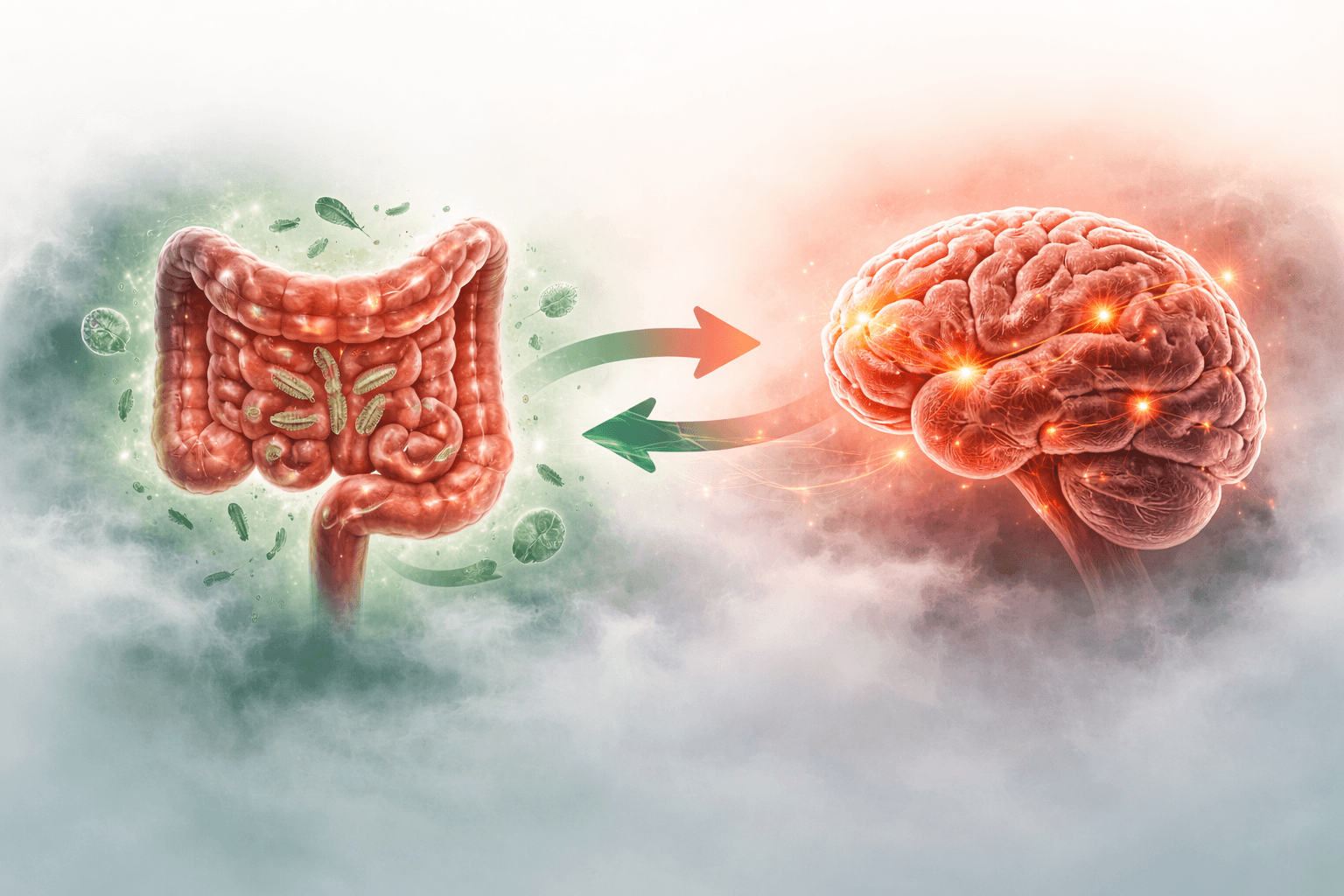
One major source of ammonia is the gut. Certain microbes can produce ammonia in excess, especially when dysbiosis is present. This makes the gut a logical place to begin.
Promote Bifidobacteria
Bifidobacteria are generally considered beneficial microbes and may help shift the microbial environment away from organisms that produce more ammonia. In patients with minimal hepatic encephalopathy, strategies that increase beneficial bacteria have improved cognitive outcomes and reduced ammonia-related burden (Malaguarnera et al., 2007; Sharma et al., 2008).
One practical way to support bifidobacteria is through prebiotic fibers from food or targeted supplements. Examples include inulin-containing foods such as chicory root, dandelion greens, and burdock root. These fibers help feed beneficial organisms rather than simply adding more organisms directly.
Consider Probiotics Carefully
Probiotics may be helpful in some cases, but they are not always enough on their own. Delivery, survivability, and strain selection matter. In practice, probiotics are often better thought of as one part of a broader gut-support strategy rather than a standalone solution.
Rifaximin or Similar Gut-Directed Strategies
In more severe cases of dysbiosis, a short course of a gut-specific antibiotic such as rifaximin may be considered with a physician. This approach has been used in ammonia-related cognitive dysfunction, especially in liver disease, where reducing gut bacterial overproduction can improve symptoms (Sharma et al., 2008).
This does not mean everyone with brain fog needs antibiotics. It means that if ammonia-producing dysbiosis is part of the picture, addressing it directly may help.
2. Targeting Senescent “Zombie” Cells in Long COVID / PASC
One of the newer areas of research in, postviral illness is the role of senescent cells, often referred to as “zombie cells.”
These are cells that should have undergone normal programmed cell death but instead persist in a dysfunctional state. Rather than contributing to healthy tissue function, they release inflammatory signaling molecules that can amplify immune activation.
In postmortem studies of COVID-19, significantly higher levels of senescent cells have been observed in multiple tissues, including the brain. These cells are thought to contribute to ongoing neuroinflammation and may play a role in persistent symptoms such as fatigue and cognitive dysfunction.
What Are Senolytics?
Senolytics are compounds that help the body identify and clear these dysfunctional cells.
Most senolytics studied in clinical trials are pharmaceutical agents. However, some naturally occurring compounds are being investigated alongside them, particularly:
Quercetin (found in foods like red onions and capers)
Fisetin (found in strawberries and apples)
Both are flavonoids with antioxidant properties and emerging senolytic activity.
→ Read more about Quercetin in another post.
What the Research Suggests
Early research suggests that these compounds may:
reduce inflammatory signaling from senescent cells
support healthier cellular turnover
potentially improve tissue function in aging and postviral states
Importantly, both quercetin and fisetin are able to cross the blood-brain barrier, making them relevant for cognitive symptoms.
This is still an emerging area of research. While early data is promising, especially in long COVID / PASC, senolytics should be viewed as part of a long-term strategy, not a quick fix. Dosing, timing, and formulation all matter, and more human data is still needed.
3. Use Ketones to Help Regulate Glutamate and Brain Energy
Another important target in brain fog is glutamate balance.
Glutamate is the brain’s main excitatory neurotransmitter. In the right amount, it is essential for focus and cognition. But when glutamate activity becomes excessive, it can contribute to mental overstimulation, poor concentration, sensory overload, and the familiar wired-but-tired feeling.
Ketones may help here.
Why Ketones May Help Brain Fog
Beta-hydroxybutyrate and other ketones may support the enzyme glutamine synthase, which helps convert glutamate and ammonia into glutamine. This matters because it may help lower both excitatory glutamate pressure and ammonia burden at the same time.
That makes ketones relevant not only for epilepsy, where they are best known, but also for other neurological and metabolic states involving impaired brain energy metabolism and neurotransmitter imbalance (Ruskin and Masino, 2012).
There is also evidence that ketogenic strategies can support cognition in neurodegenerative settings. For example, a medium-chain triglyceride-based ketogenic formula improved cognitive function in patients with mild-to-moderate Alzheimer’s disease (Ota et al., 2019).
How to Raise Ketones
You do not necessarily need a strict ketogenic diet to experiment with this approach. Depending on tolerance, people may use:
lower-carbohydrate eating patterns
medium-chain triglycerides (MCTs)
intermittent fasting
cyclical ketogenic strategies
This needs to be individualized. Some people with ME/CFS or fibromyalgia tolerate fasting or carbohydrate restriction poorly. Others notice meaningful cognitive benefits. The key is not dogma. It is whether the strategy improves brain function without worsening overall stability.
4. Use ALCAR to Support Mitochondria and Lower Ammonia
Acetyl-L-carnitine, often called ALCAR, is one of the more interesting options for brain fog because it may help on more than one level.
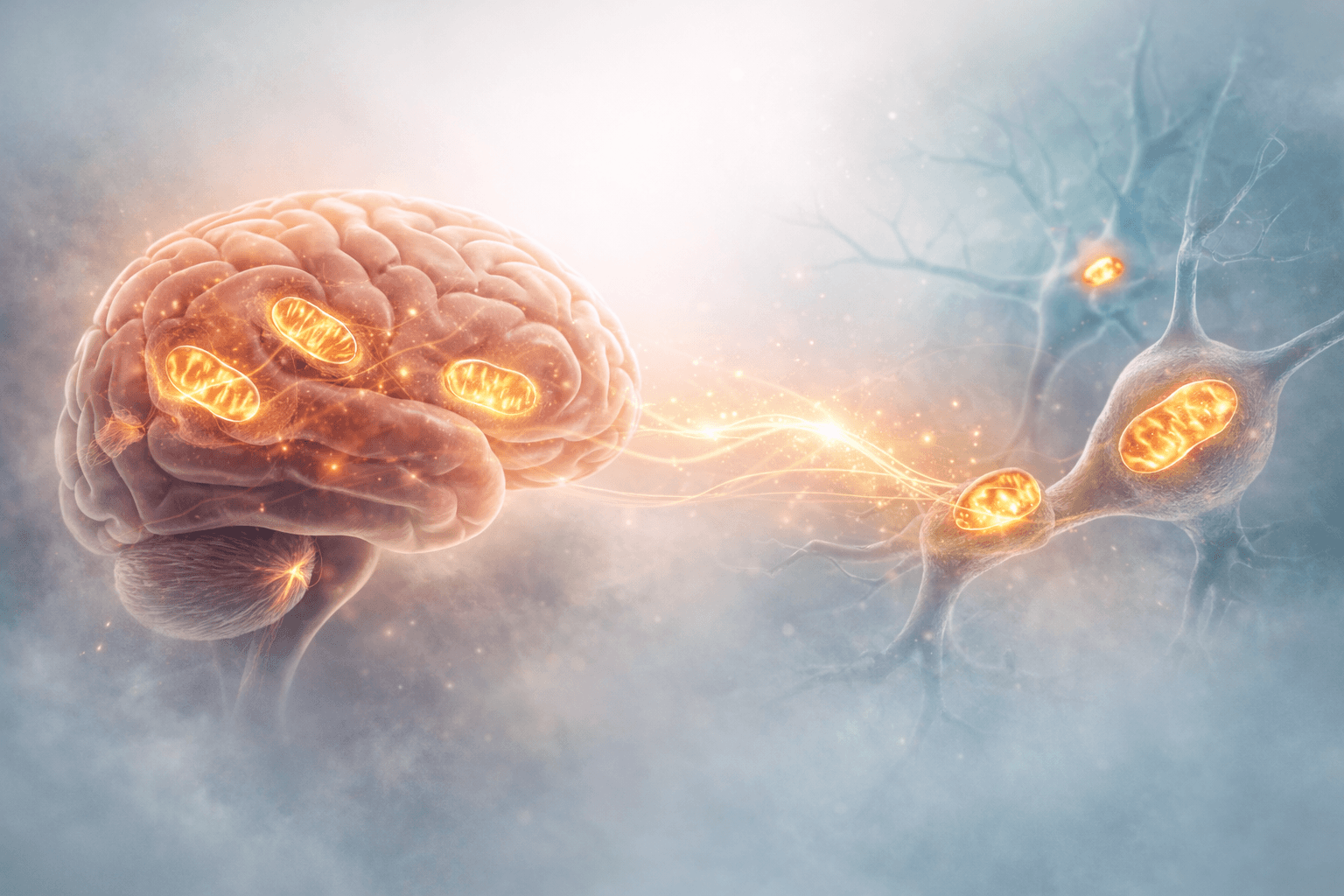
ALCAR helps transport long-chain fatty acids into the mitochondria, where they can be used for energy production. This can be relevant when mitochondrial function is impaired and the brain is relying too heavily on less efficient energy pathways.
It also crosses the blood-brain barrier and contributes acetyl groups to pathways involved in neurotransmitter production, oxidative balance, and neuronal function.
What the Research Suggests
ALCAR has been studied in minimal hepatic encephalopathy, a condition in which elevated ammonia contributes to cognitive dysfunction. In randomized trials, acetyl-L-carnitine improved cognitive symptoms and lowered ammonia more effectively than placebo (Malaguarnera et al., 2008). Broader work also suggests that carnitine or acetylcarnitine deficiency may contribute to higher ammonia levels (Maldonado et al., 2016).
This makes ALCAR especially relevant when brain fog appears tied to both mitochondrial inefficiency and ammonia burden.
Potential Benefits of ALCAR for Brain Fog
ALCAR may help by:
improving mitochondrial energy production
supporting mental clarity and memory
reducing ammonia burden in some contexts
providing brain-active support because it crosses the blood-brain barrier
In studies of ammonia-related cognitive dysfunction, doses up to 2 g per day have been used, though many people with chronic illness need to start much lower and assess tolerance carefully (Malaguarnera et al., 2008).
Why This Matters for ME/CFS, Fibromyalgia, and Long COVID / PASC
Brain fog in postviral illness is rarely caused by one thing alone. The most likely reality is that several processes overlap:
gut dysbiosis may increase ammonia and other metabolites
impaired brain energy metabolism may worsen lactate and cognitive fatigue
glutamate regulation may become less stable
mitochondrial stress may reduce the brain’s ability to compensate
That is why a targeted, mechanism-based strategy often works better than throwing random supplements at the problem.
If protein-rich meals worsen symptoms, if you have significant gut dysfunction, constipation, bloating, or strong food sensitivities, then the gut-ammonia angle may deserve more attention. If your symptoms are more tied to sensory overload, mental overactivation, or poor stress tolerance, then glutamate regulation and ketones may be more relevant. If fatigue and cognitive slowing dominate, ALCAR may be worth considering.
Where to Start
The best place to start is usually not with the most supplements. It is with the most likely mechanism.
For many people, that means asking:
Do my symptoms worsen after eating, especially high-protein meals?
Do I have bloating, constipation, or other signs of dysbiosis?
Do I feel mentally overstimulated or wired but tired?
Do I have signs of poor mitochondrial tolerance and low mental stamina?
Those clues can help guide whether the first step should be gut work, ketone support, or a mitochondrial intervention such as ALCAR.
Final Thoughts
Brain fog is not vague when you live with it. It is one of the most disruptive symptoms in ME/CFS, fibromyalgia, and long COVID / PASC.
One important and underappreciated contributor may be ammonia, especially when gut dysbiosis, altered urea cycle handling, or poor mitochondrial function are present. But effective treatment usually means looking beyond one pathway and identifying the broader pattern of dysfunction.
Supporting bifidobacteria and reducing ammonia-producing bacteria, using ketones to regulate glutamate and brain energy metabolism, and considering acetyl-L-carnitine as a targeted tool are all plausible ways to reduce brain fog when used appropriately.
The goal is not to chase every possible intervention. It is to choose the right one for the biology that is most likely driving your symptoms.
FAQ: How to Treat Brain Fog
-
There is no single best treatment for everyone. The most effective approach depends on the likely mechanism. For some people, gut dysbiosis and ammonia burden are important. For others, glutamate imbalance or mitochondrial dysfunction may be more relevant.
-
Yes. Ammonia is neuroactive and can impair cognition when levels rise, even subtly. Standard blood testing may not always detect mild but clinically meaningful elevations, especially if the problem is intermittent or driven by gut metabolism (Jin et al., 2018).
-
Strategies may include improving gut microbial balance, increasing bifidobacteria, using prebiotic fibers, and in some cases using physician-guided gut-directed treatments such as rifaximin. Supporting overall metabolic function may also help.
-
Quercetin and fisetin are flavonoids with antioxidant and potential senolytic activity. They can cross the blood-brain barrier and are being studied for their role in reducing inflammation and supporting cognitive function. However, their effectiveness for brain fog specifically is still being researched.
-
“Zombie cells” refers to senescent cells—damaged cells that no longer function normally but continue to release inflammatory signaling molecules. Increased levels of these cells have been observed in COVID-19 research and may contribute to persistent symptoms such as fatigue and brain fog in long COVID / Post-Acute Sequelae of COVID (PASC).
-
They may. Ketones can support brain energy metabolism and may help regulate glutamate and ammonia handling through glutamine synthase activity. This is one reason ketogenic strategies have shown benefit in some neurological conditions (Ruskin and Masino, 2012; Ota et al., 2019).
-
ALCAR supports mitochondrial energy production, crosses the blood-brain barrier, and has been shown to improve cognitive symptoms and reduce ammonia burden in certain clinical settings (Malaguarnera et al., 2008).
-
Yes. Certain gut microbes can increase production of metabolites such as ammonia, which may worsen cognition. This is one reason gut-focused strategies can be helpful in some people with chronic illness-related brain fog.
References
Ruskin DN & Masino SA. (2012) The nervous system and metabolic dysregulation: emerging evidence converges on ketogenic diet therapy. Front Neurosci. 2012 Mar 26;6:33.
Sharma,P., Sharma,B.C., Puri,V., Sarin,S.K. (2008) An Open-label randomized controlled trial of lactulose and probiotics in the treatment of minimal hepatic encephalopathy. Eur J Gastroenterol Hepatol. 20, 506–511.
Jin YY, et al (2018) Blood Ammonia as a Possible Etiological Agent for Alzheimer's Disease. Nutrients. 10(5). pii: E564.
Ota. M, et al. (2019) Effects of a medium-chain triglyceride-based ketogenic formula on cognitive function in patients with mild-to-moderate Alzheimer's disease. Neurosci Lett. 690:232-236.
Malaguarnera M. et al. (2007) Bifidobacterium longum with fructo-oligosaccharide (FOS) treatment in minimal hepatic encephalopathy: a randomized, double-blind, placebo-controlled study. Dig Dis Sci. 52(11):3259-65.
Malaguarnera M. et al (2008) Acetyl-L-carnitine treatment in minimal hepatic encephalopathy. Dig Dis Sci. 53(11):3018-25.
Maldonado C. et al (2016) Carnitine and/or Acetylcarnitine Deficiency as a Cause of Higher Levels of Ammonia. Biomed Res Int. 2016:2920108.