Alcohol Intolerance After COVID, ME/CFS, and Fibromyalgia
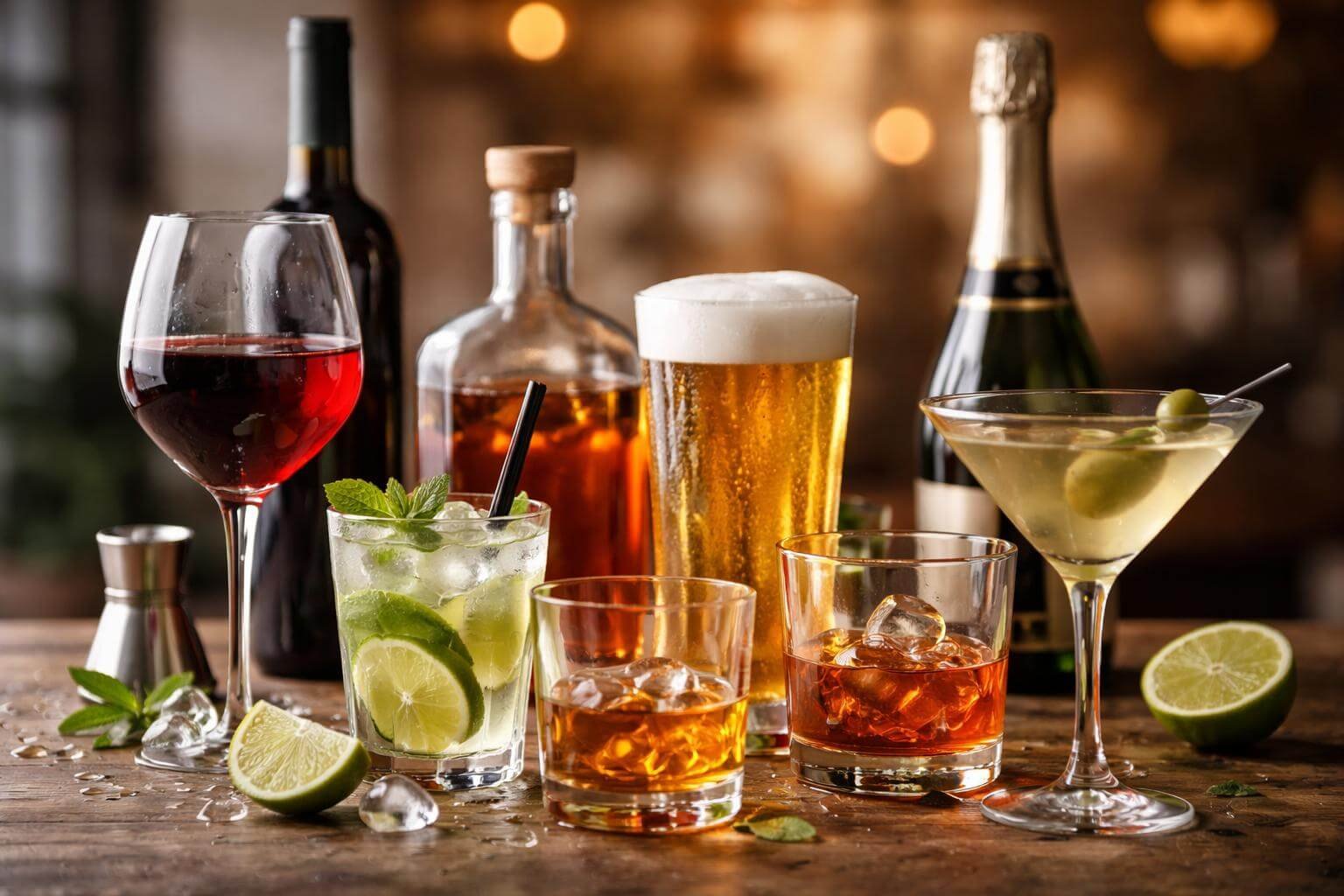
Alcohol intolerance is often reduced to a histamine reaction. But for many people living with long COVID/post-acute sequelae of COVID (PASC), ME/CFS, or fibromyalgia, that explanation is too simple.
If you're interested in the broader role nutrition may play in postviral illness, see my guide to diet and nutrition strategies for long COVID (PASC).
What changes after a viral illness is not just how the body reacts to wine or spirits. The nervous system, immune signaling, metabolism, and gut-brain axis all shift, and alcohol interacts with each of these systems at the same time. When physiological resilience is lower, alcohol may worsen fatigue, brain fog, flushing, or digestive symptoms even in small amounts.
Understanding the underlying mechanisms helps explain why tolerance changes and why the answer is rarely just avoid histamine-rich foods and beverages.
💡 Looking for quick answers? Jump to the FAQ
Why Alcohol Tolerance Changes After Viral Illness
Alcohol sensitivity is commonly reported in ME/CFS and is increasingly described after COVID-19 infection (Eastin, 2023). This shift often mirrors broader changes in metabolic regulation, immune signaling, and autonomic balance that occur with these conditions.
Alcohol influences several systems at once. It alters redox balance, affects blood flow, interacts with mast cell signaling, and changes gut-brain communication. Research in ME/CFS shows disturbances in energy metabolism and autonomic stability that may lower tolerance to physiological stressors (Wirth & Scheibenbogen, 2020; Germain et al., 2020).
Symptoms vary widely, but the underlying pattern is similar: a narrower margin for metabolic and neurological stress.
Alcohol and Fatigue: NAD⁺/NADH Imbalance in Postviral Conditions
Alcohol metabolism places a heavy demand on the body’s NAD⁺ system. When ethanol is broken down, NAD⁺ is converted into NADH. This shifts cellular redox balance and temporarily changes how mitochondria generate energy. This reflects reduced tolerance for redox imbalance rather than an inability to metabolize alcohol itself.
In ME/CFS, metabolic studies suggest reduced flexibility in fuel use and altered lipid metabolism (Germain et al., 2020). When NAD⁺ availability drops during alcohol metabolism, several downstream effects may occur:
• slower mitochondrial energy production
• increased reliance on glycolysis
• higher lactate signaling
• reduced ability to clear metabolic by-products efficiently
The liver also prioritizes ethanol breakdown over other metabolic tasks. For individuals with postviral illness, this temporary redox shift can feel disproportionate to the amount consumed. Instead of a typical hangover, people often describe:
• sudden heaviness or fatigue
• cognitive slowing
• delayed recovery the following day
• worsening of post-exertional symptoms
Why Wine or Fermented Drinks Feel Harder to Tolerate with ME/CFS
Some may notice that wine, cider, or kombucha trigger stronger reactions than distilled alcohol. Fermented drinks, like these, contain organic acids, residual sugars, and microbial by-products that can interact with a gut environment already altered by postviral illness.
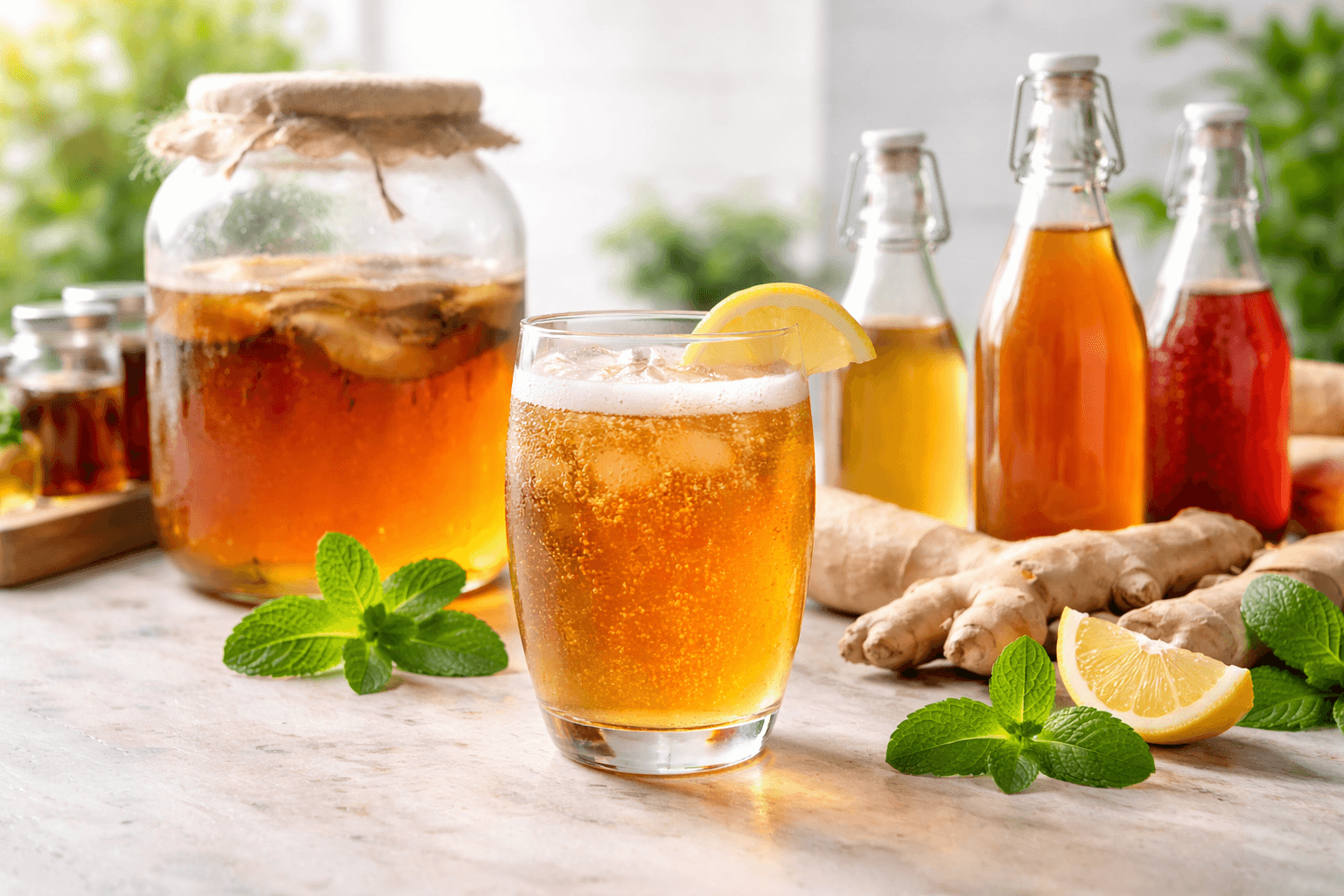
Alcohol itself can shift microbial balance and increase inflammatory signaling in the intestine (Engen et al., 2015; Bishehsari et al., 2017). In people with dysbiosis or suspected small intestinal bacterial overgrowth (SIBO), these changes may lower the threshold for fermentation symptoms.
Unlike distilled spirits, fermented beverages provide substrates that microbes can metabolize quickly. If bacterial populations are higher in the small intestine, as occurs in SIBO, fermentation may occur earlier during digestion rather than primarily in the colon. This can lead to bloating, heavy fatigue, and brain fog.
Some individuals also report a sensation of rapid “fermentation” or gas expansion after wine or kombucha. Because alcohol is absorbed rapidly, faster transit may expose the small intestine to ethanol and fermentation by-products sooner. This can amplify symptoms that feel out of proportion to the amount consumed.
Autonomic Dysfunction and Alcohol Sensitivity in POTS
Alcohol is a vasodilator. It relaxes blood vessels and changes how blood is distributed throughout the body. In people with autonomic dysfunction, especially POTS/OI, these shifts can be harder to compensate for (Wirth & Scheibenbogen, 2020; Clauw, 2014).
Autonomic regulation also influences digestion. Changes in vagal signaling and gut motility can affect how quickly liquids move through the stomach and small intestine.
Blood flow changes and motility shifts often happen at the same time. When circulation becomes less stable, the body may divert resources away from digestion and toward maintaining blood pressure. This can worsen gut sensitivity, nausea, or fatigue after drinking.
Tolerance is rarely fixed. Some people notice that alcohol feels different depending on hydration status, stress levels, hormonal changes, or overall disease stability. What changes is not just alcohol metabolism but also how the autonomic nervous system responds to it.
Histamine, Acetaldehyde, and Wine Reactions in Alcohol Intolerance
Wine reactions are often attributed to histamine content alone, but alcohol metabolism itself plays an important role. When ethanol is broken down, it is converted into acetaldehyde—a reactive compound that can increase histamine signaling and influence mast cell activity (Zimatkin & Anichtchik, 1999; Kawano et al., 2004).
Alcohol can also temporarily interfere with diamine oxidase (DAO) activity, the enzyme involved in breaking down dietary histamine. In a system already sensitive from postviral illness, this may lower the threshold for symptoms without indicating a primary histamine disorder. Common histamine-related patterns may include:
• facial flushing or warmth
• headaches or pressure behind the eyes
• anxiety, agitation, or feeling “wired but tired”
• digestive discomfort or nausea
So, not just histamine alone is responsible. The response may be driven by a combination of acetaldehyde exposure, changes in histamine degradation, or shifts in immune signaling.
Understanding histamine as one piece of a broader physiological picture can help reduce confusion, especially for individuals who do not fully fit the typical “histamine intolerance” profile.
Why Alcohol Intolerance Can Appear Suddenly
Alcohol intolerance in long COVID / Post-Acute Sequelae of COVID (PASC), ME/CFS, and fibromyalgia is rarely explained by a single pathway. Changes in NAD⁺/NADH balance, autonomic regulation, gut ecology, and histamine signaling can all influence how alcohol is experienced. For many people, the issue is not the presence of alcohol itself but a reduced margin for metabolic and neurological stress.
Understanding these mechanisms can help reframe alcohol sensitivity as a physiological response rather than a permanent limitation. Tolerance may shift over time as system stability changes. Paying attention to patterns, including the type of drink, timing of symptoms, and overall health state, often provides more insight than focusing on one trigger alone.
Some individuals find that tolerance improves when metabolic or autonomic stability improves. Others notice that distilled alcohol feels different from fermented beverages because different pathways are involved. For most, lifelong avoidance becomes the norm. What’s your experience?
FAQ: Alcohol and Postviral Conditions
-
Many people notice lower alcohol tolerance after long COVID / Post-Acute Sequelae of COVID (PASC). Viral illness can affect autonomic regulation, immune signaling, and energy metabolism. Alcohol shifts NAD⁺/NADH balance, alters blood flow, and interacts with the gut microbiome at the same time. When these systems are already sensitive, even small amounts may trigger fatigue, dizziness, or brain fog (Eastin, 2023).
Lower tolerance does not always mean permanent intolerance. It often reflects a reduced buffer against physiological stress.
-
Wine and other fermented drinks contain organic acids and fermentation by-products that can interact with gut and immune signaling. Alcohol metabolism also produces acetaldehyde, which can increase histamine signaling in sensitive individuals (Zimatkin & Anichtchik, 1999; Kawano et al., 2004).
Some people experience pressure, bloating, or rapid fatigue after wine. These symptoms may relate to dysbiosis or suspected SIBO rather than histamine alone, especially when fermentation occurs earlier in digestion (Engen et al., 2015).
-
Yes. Many people with ME/CFS report increased sensitivity to alcohol. Research suggests that metabolic changes, redox imbalance, and autonomic dysfunction may lower tolerance to stressors such as alcohol exposure (Wirth & Scheibenbogen, 2020; Germain et al., 2020).
-
Alcohol affects blood flow and nervous system signaling. In fibromyalgia, where central sensitization and autonomic changes are common, alcohol may worsen fatigue or cognitive symptoms even at low amounts (Clauw, 2014). Changes in vascular tone and nervous system regulation can influence how quickly symptoms appear.
-
Histamine may play a role, especially with wine, but it is rarely the only explanation. Acetaldehyde exposure, NAD⁺/NADH shifts, autonomic instability, and gut-derived signaling often overlap. Two drinks with similar histamine levels may feel very different depending on overall system stability (Hrubisko et al., 2021).
Looking at timing of symptoms, type of drink, and current health status is often more informative than assuming a single cause.
-
In some cases, yes. Tolerance may shift as autonomic balance, gut ecology, or metabolic stability change. Some individuals regain partial tolerance, while others find that certain drinks remain more difficult than others. Observing patterns tends to be more helpful than strict avoidance rules.
References
Eastin EF, Tiwari A, Quach TC, et al. New Alcohol Sensitivity in Patients With Post-acute Sequelae of SARS-CoV-2 (PASC): A Case Series. Cureus. 2023;15(12):e51286. Published 2023 Dec 29. doi:10.7759/cureus.51286
Wirth KJ, Scheibenbogen C. Pathophysiology of skeletal muscle disturbances in Myalgic Encephalomyelitis/Chronic Fatigue Syndrome (ME/CFS). J Transl Med. 2021;19(1):162. Published 2021 Apr 21. doi:10.1186/s12967-021-02833-2
Germain A, Ruppert D, Levine SM, Hanson MR. Metabolic profiling of a myalgic encephalomyelitis/chronic fatigue syndrome discovery cohort reveals disturbances in fatty acid and lipid metabolism. Mol Biosyst. 2017;13(2):371-379. doi:10.1039/c6mb00600k
Proal AD, VanElzakker MB. Long COVID or Post-acute Sequelae of COVID-19 (PASC): An Overview of Biological Factors That May Contribute to Persistent Symptoms. Front Microbiol. 2021;12:698169. Published 2021 Jun 23. doi:10.3389/fmicb.2021.698169
Engen PA, Green SJ, Voigt RM, Forsyth CB, Keshavarzian A. The Gastrointestinal Microbiome: Alcohol Effects on the Composition of Intestinal Microbiota. Alcohol Res. 2015;37(2):223-236. doi:10.35946/arcr.v37.2.07
Bishehsari F, Magno E, Swanson G, et al. Alcohol and Gut-Derived Inflammation. Alcohol Res. 2017;38(2):163-171. doi:10.35946/arcr.v38.2.02
Zimatkin SM, Anichtchik OV. Alcohol-histamine interactions. Alcohol Alcohol. 1999;34(2):141-147.
Kawano T, et al. Acetaldehyde induces histamine release from mast cells. Int Arch Allergy Immunol. 2004;134(3):233-239.
Hrubisko M, Danis R, Huorka M, Wawruch M. Histamine intolerance. Nutrients. 2021;13(7):2228.
Clauw DJ. Fibromyalgia: a clinical review. JAMA. 2014;311(15):1547-1555.