LPS (Endotoxin) in ME/CFS and Long COVID

Postviral illnesses are often described in broad terms like inflammation or immune dysfunction. Research, however, also points to specific immune triggers that may help keep these systems activated.
One of the most studied is lipopolysaccharide (LPS), also called endotoxin. LPS helps explain how microbiome changes, particularly shifts toward more inflammatory patterns, can influence the immune system, the brain, energy metabolism, and symptoms such as fatigue and brain fog.
If you're interested in the broader role nutrition may play in postviral illness, see my guide to diet and nutrition strategies for long COVID (PASC).
💡 Looking for quick answers? Jump to the FAQ
What Is LPS?
LPS is a structural molecule found in the outer membrane of Gram-negative bacteria. Gram-positive bacteria do not contain LPS.
These bacteria normally live on mucosal surfaces like the gut and mouth. LPS itself is not abnormal. The issue is how much of it the immune system is exposed to, and where.
In healthy conditions, the microbiome is balanced, and barrier systems help keep bacterial components contained. In postviral conditions, research suggests that dysbiosis—shifts in the composition and balance of the microbiome—is common. These shifts often favor Gram-negative bacteria that contain LPS.
When small amounts of LPS reach the bloodstream, the immune system reacts strongly. LPS is one of the body’s most powerful natural signals that bacteria are present.
Research in ME/CFS and long COVID/PASC focuses on low-grade, ongoing immune signaling, not sepsis or bloodstream infection. Sepsis is driven by large, acute LPS exposure. Here, the concern is repeated, tiny exposures, which may occur when microbiome balance and barrier regulation are disrupted.
How Does LPS Reach the Bloodstream?
The gut and oral cavity play an active role in immune regulation. Under healthy conditions, the intestinal barrier limits the movement of bacterial material into circulation, and immune responses remain controlled.
Research in postviral conditions suggests that microbiome balance, barrier function, and immune regulation may be altered (Maes 2007; Giloteaux 2016; Martín 2023). When dysbiosis shifts the microbial community toward more inflammatory patterns, and barrier control weakens, small amounts of bacterial components, including LPS, may enter the bloodstream more frequently.
This process is referred to as microbial translocation.
Which Bacteria Are Usually Involved?
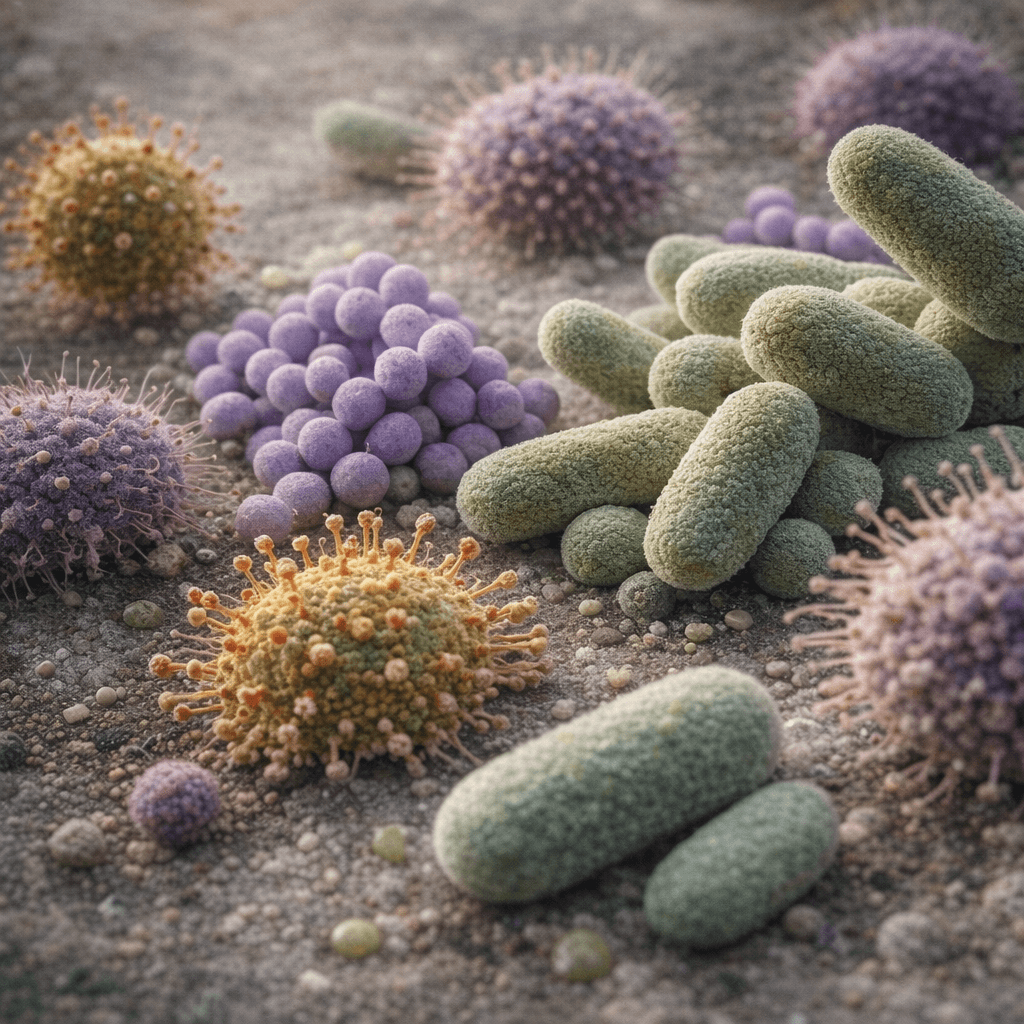
The issue is not the presence of specific microbes, but shifts in the microbial community toward more inflammatory patterns.
One group frequently discussed in this context is the Enterobacteriaceae family, which includes Escherichia, Klebsiella, and Enterobacter. These Gram-negative bacteria contain LPS and are commonly associated with inflammatory gut environments. In ME/CFS, studies have reported immune responses directed against LPS derived from enterobacteria, suggesting increased immune exposure to bacterial components (Maes 2007).
Another genus that appears in both gut and oral microbiome research is Prevotella. Prevotella species are Gram-negative and contain LPS. Several studies have linked higher Prevotella abundance to inflammatory-type microbiome patterns in ME/CFS and in people with prolonged COVID symptoms (Giloteaux 2016; Haran 2021).
These microbes are not inherently harmful. Their impact appears to depend on overall balance, context, and how strongly they stimulate the immune system.
What Happens When the Immune System Detects LPS?
When immune cells encounter LPS, it activates receptors such as toll-like receptor 4 (TLR4), leading to the release of cytokines and other inflammatory signals.
These signals can influence multiple systems at the same time, including brain function, energy metabolism, pain processing, and autonomic nervous system activity.
This immune signaling pattern overlaps with what is often referred to as cytokine-driven sickness behavior. During acute infection, this response produces fatigue, slowed thinking, and increased sensitivity to stimuli. In postviral illness, similar signaling patterns may persist even in the absence of active infection (Maes 2012).
This Is Not Just a Gut Issue
Research in long COVID has also identified inflammatory-type changes in the oral microbiome, including higher levels of Gram-negative, LPS-containing bacteria such as Prevotella (Haran 2021). Similar patterns have been reported in ME/CFS.
These findings suggest that multiple mucosal surfaces, not only the gut, may contribute to ongoing immune signaling. Immune exposure to bacterial components can therefore arise from more than one site, reinforcing systemic effects rather than remaining localized.
Why LPS Matters in Postviral Illness
LPS helps link several features commonly observed in postviral conditions, including microbiome shifts, altered barrier function, immune activation, and symptoms affecting the brain and energy metabolism.
Rather than acting as an isolated trigger, LPS-related signaling provides a framework for understanding how immune, metabolic, neurological, and autonomic symptoms can remain connected over time.
Ways LPS-Related Pathways May Be Influenced by Diet
Butyrate and Short-Chain Fatty Acids in ME/CFS
Butyrate is a short-chain fatty acid produced when gut bacteria ferment certain dietary fibers. It plays an important role in both limiting LPS exposure and moderating immune responses to LPS.
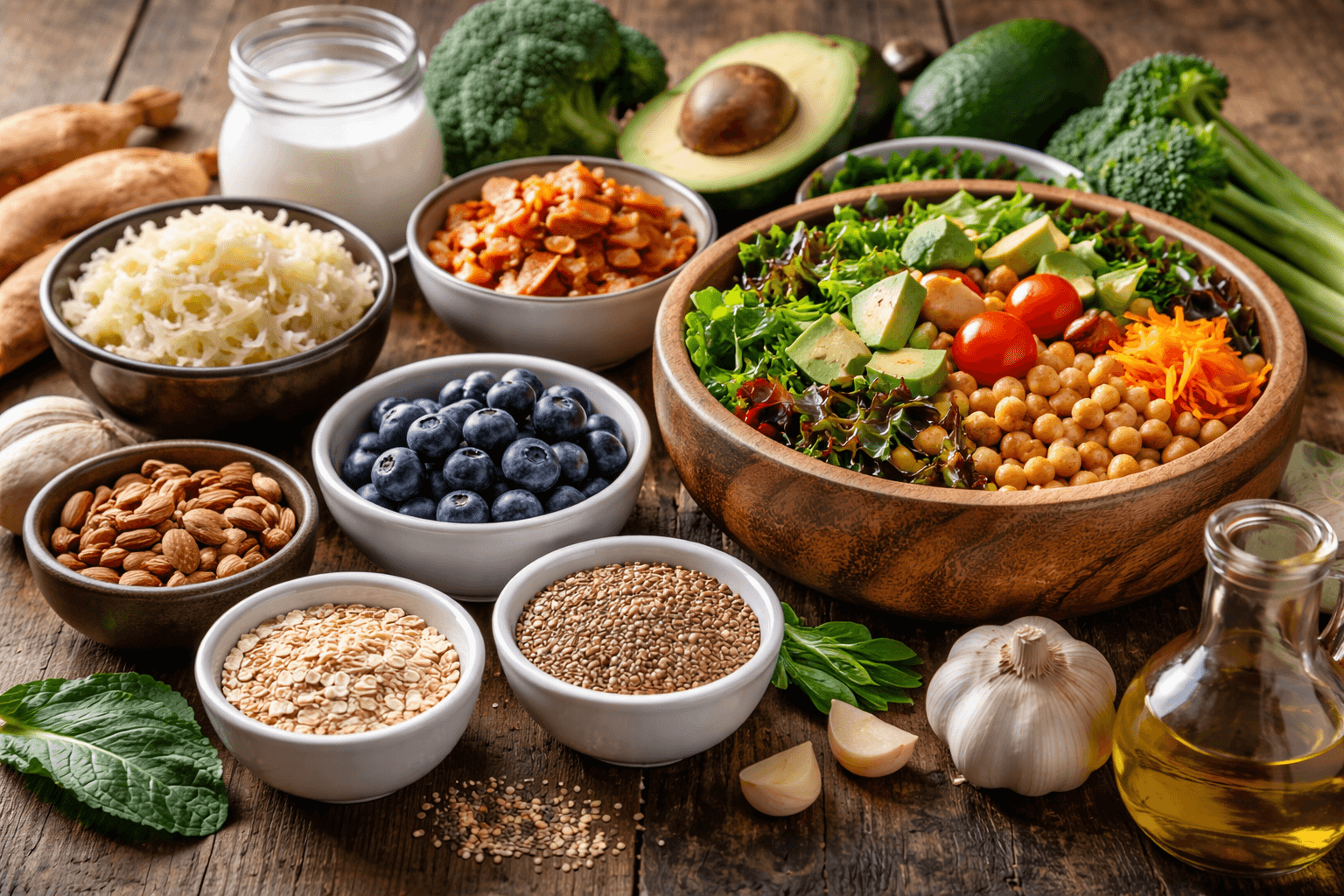
Butyrate supports intestinal barrier integrity by strengthening tight junctions and reducing permeability, which can limit the movement of bacterial components into circulation. It also helps regulate immune signaling and promotes anti-inflammatory pathways. Reduced butyrate production has been reported in postviral conditions, particularly in inflammatory-type dysbiosis. Supporting butyrate-related pathways may therefore reduce how much LPS reaches the bloodstream and how strongly the immune system responds to it. Read more about butyrate in another post.
Bovine Colostrum in ME/CFS
Bovine colostrum contains immunoglobulins capable of binding microbial components within the gut. In a randomized controlled trial involving critically ill patients, colostrum supplementation reduced intestinal permeability and was associated with lower circulating LPS levels (Eslamian 2019). Although this population differs from postviral illness, the findings support the broader principle that improving barrier function may reduce LPS translocation.
Fat Quality in ME/CFS
Controlled feeding studies have shown that diets high in saturated fat can increase endotoxemia compared with dietary patterns richer in monounsaturated fats, such as Mediterranean-style diets (Lopez-Moreno 2018). Fat composition influences how LPS is absorbed and transported from the gut into circulation, making it a relevant factor in LPS-related immune signaling.
Read more about saturated fats and LPS in another post.
Take-Home Message
LPS is a normal bacterial molecule. The concern in postviral illness is chronic immune exposure, not its mere presence.
Research in ME/CFS and long COVID / PASC suggests that microbiome balance may shift, barrier regulation may be altered, and small amounts of LPS may enter circulation more frequently. Over time, repeated immune signaling triggered by LPS can influence brain function, energy metabolism, and autonomic regulation in ways that resemble cytokine-driven sickness behavior.
LPS is only one piece of a larger puzzle, but it helps explain how gut-related changes, immune activation, and neurological symptoms can remain connected rather than occurring in isolation.
FAQ: LPS (Endotoxin) in ME/CFS and Long-Haul COVID / PASC
-
Lipopolysaccharide (LPS), also called endotoxin, is a structural molecule found in the outer membrane of certain Gram-negative bacteria. These bacteria normally live in places like the gut and mouth. LPS itself is not abnormal, but when it enters the bloodstream in small amounts, it can strongly activate the immune system.
-
Research suggests that people with ME/CFS and long COVID may experience changes in microbiome balance, barrier function, and immune regulation. These changes can increase immune exposure to bacterial components such as LPS, contributing to ongoing immune signaling linked to fatigue, brain fog, and autonomic symptoms.
-
No. Sepsis involves large, acute amounts of LPS entering the bloodstream during severe infection. In postviral conditions, researchers are studying low-grade, repeated exposure to small amounts of LPS, sometimes referred to as low-grade endotoxemia. These are very different processes.
-
Several factors may contribute, including shifts in the gut or oral microbiome (dysbiosis), reduced barrier regulation, and altered immune responses. When these occur together, small amounts of bacterial components like LPS may enter circulation more frequently.
-
Microbial translocation refers to the movement of bacterial components, such as LPS, from mucosal surfaces like the gut into the bloodstream. It does not mean bacteria are actively infecting the blood, but rather that fragments of bacteria are being detected by the immune system.
-
LPS activates immune signaling pathways that release cytokines. These signals can influence brain function, energy metabolism, pain sensitivity, and autonomic regulation. This pattern overlaps with what is known as cytokine-driven sickness behavior, which includes fatigue and cognitive slowing.
-
No. Research in long COVID has identified inflammatory changes in the oral microbiome as well. This suggests that immune exposure to bacterial components may occur at multiple mucosal surfaces, not just the gut.
-
Diet can influence factors that affect LPS exposure, such as microbiome composition, gut barrier integrity, and immune signaling. For example, dietary patterns that support short-chain fatty acid production or reduce endotoxin absorption may be relevant, although diet alone is not a cure for postviral illness.
-
No. LPS is one piece of a complex puzzle. Addressing LPS-related pathways may help explain symptom patterns and guide supportive strategies, but it does not represent a single cause or cure for these conditions.
References
Maes M, Mihaylova I, Leunis JC. Increased serum IgA and IgM against LPS of enterobacteria in chronic fatigue syndrome. J Affect Disord. 2007;99(1-3):237-240.
Giloteaux L, Goodrich JK, Walters WA, et al. Reduced diversity and altered composition of the gut microbiome in individuals with myalgic encephalomyelitis/chronic fatigue syndrome. Microbiome. 2016;4:30.
Haran JP, Bradley E, Zeamer AL, et al. Inflammation-type dysbiosis of the oral microbiome associates with the duration of COVID-19 symptoms and long COVID. JCI Insight. 2021;6(20):e152346.
Maes M, Twisk FN. Chronic fatigue syndrome: lactic acid bacteria may be useful in treating inflammation and neuroimmune disorders. Med Hypotheses. 2012;78(3):369-374.
Martín F, Blanco-Suárez M, Zambrano P, et al. Increased gut permeability and bacterial translocation are associated with fibromyalgia and myalgic encephalomyelitis/chronic fatigue syndrome: implications for disease-related biomarker discovery. Front Immunol. 2023;14:1253121. Published 2023 Sep 7. doi:10.3389/fimmu.2023.1253121
Eslamian G, Ardehali SH, Baghestani AR, Vahdat Shariatpanahi Z. Effects of early enteral bovine colostrum supplementation on intestinal permeability in critically ill patients: A randomized, double-blind, placebo-controlled study. Nutrition. 2019;60:106-111. doi:10.1016/j.nut.2018.10.013
Lopez-Moreno J, Garcia-Carpintero S, Gomez-Delgado F, et al. Endotoxemia is modulated by quantity and quality of dietary fat in older adults. Exp Gerontol. 2018;109:119-125. doi:10.1016/j.exger.2017.11.006