Gut Inflammation in ME/CFS and Long COVID
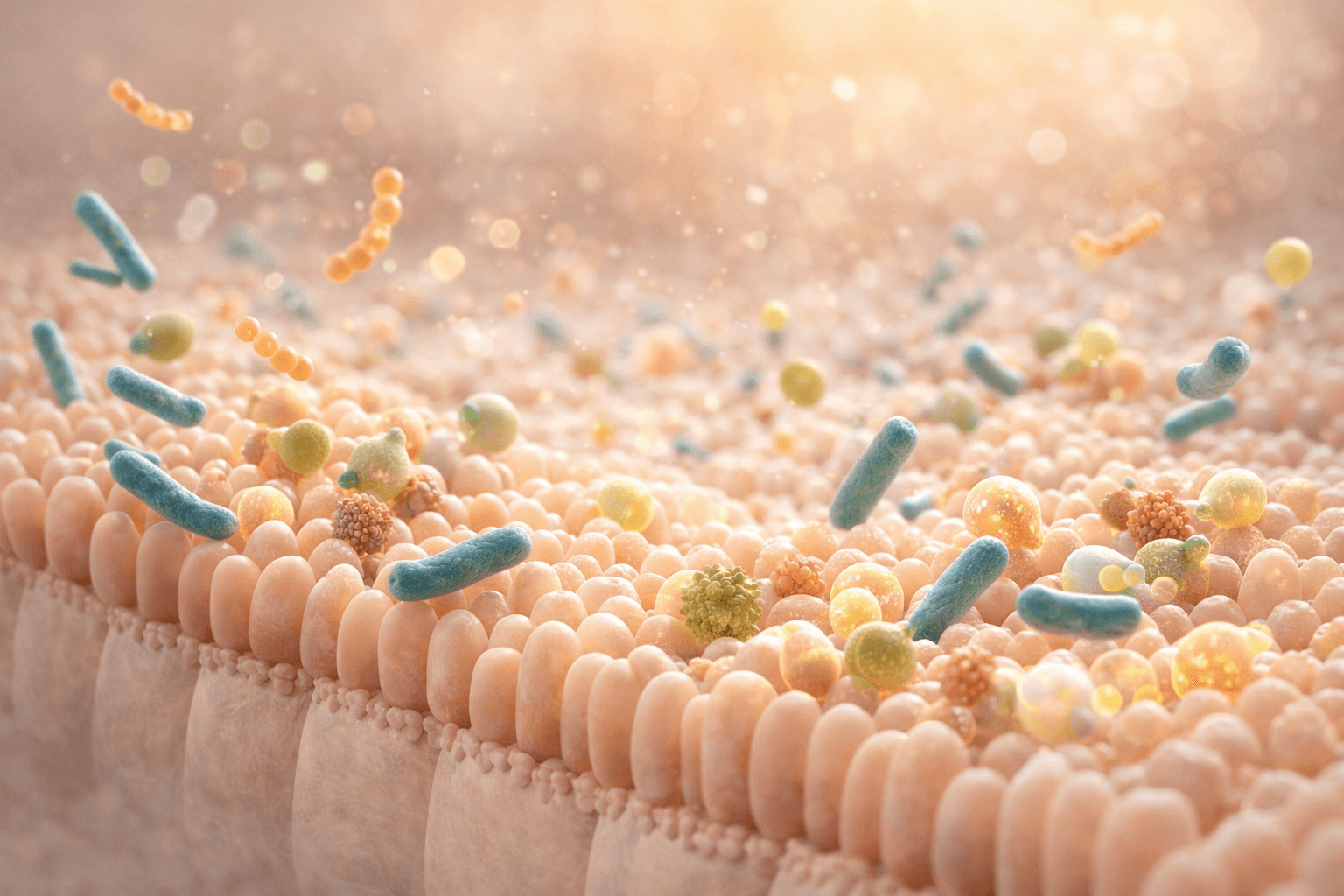
Gut inflammation is one of the most consistent biological findings in ME/CFS, fibromyalgia, and long-haul COVID / Post-Acute Sequelae of COVID (PASC). Many patients notice that fatigue, brain fog, pain sensitivity, and post-exertional worsening (PEM) often follow digestive stress, illness flares, or dietary changes. These patterns are not simply about “food intolerance.”
They often reflect gut-derived immune activation—a process where bacterial components from the intestine influence systemic (body-wide) inflammation. One of the most important regulators of this process is a protective enzyme that rarely gets discussed in chronic illness conversations: intestinal alkaline phosphatase (IAP).
If you're interested in the broader role nutrition may play in postviral illness, see my guide to diet and nutrition strategies for long COVID (PASC).
Why Gut Inflammation Is Common in ME/CFS and Long COVID
Research in ME/CFS has repeatedly shown signs of increased immune responses to bacterial components called endotoxins, namely LPS (lipopolysaccharide). Maes and colleagues demonstrated elevated IgA responses to LPS from commensal bacteria, indicating ongoing exposure of the immune system to gut-derived microbial components (Maes, 2012).
This does not mean infection is present. It means signals normally contained within the gut are interacting more with the immune system than they should.
This type of immune stimulation contributes to a background of low-grade inflammation that many patients recognize as flare-like states: increased fatigue, cognitive slowing, malaise, and heightened pain.
These symptoms overlap with what immunologists call sickness behavior, a coordinated brain–immune response normally seen during acute infection (Dantzer, 2008). In postviral conditions, this response appears to be triggered repeatedly, even without an active pathogen. Read more about sickness behavior here.
What Is LPS, and Why It Matters
LPS is a structural component of the outer membrane of Gram-negative bacteria. When present in higher amounts at the gut–immune interface, it activates immune receptors such as TLR4 and stimulates inflammatory signaling pathways, including cytokines like IL-1β, TNF-α, and IL-6 (Dantzer, 2008). Many with ME/CFS have immune antibodies against components of gram-negative gut bacteria, which contain LPS. This pattern suggests repeated immune exposure to bacterial products that normally remain confined to the gut (Maes et al., 2012).
This signaling contributes to:
fatigue
cognitive slowing / brain fog
pain sensitivity
appetite changes
a general “flu-like” or unwell feeling
These are not psychological phenomena. They are biologically coordinated responses to immune activation. Managing LPS signaling is therefore one way to address gut-driven contributions to systemic symptoms. A low-saturated-fat diet is one means to reduce LPS. Read more on that here. Another means is to target the enzyme that breaks LPS down.
What Intestinal Alkaline Phosphatase (IAP) Does
IAP is produced by cells lining the small intestine and acts as a first-line regulator of gut inflammation. IAP detoxifies LPS by removing a phosphate group from lipid A, the inflammatory portion of the molecule. This chemical change makes LPS far less capable of activating immune receptors (Liu et al., 2016; Lallès, 2014).
In animal models, IAP also helps maintain microbial balance, limiting overgrowth of Gram-negative bacteria and supporting a more stable intestinal environment (Malo, 2010). In addition, IAP contributes to gut barrier stability and helps maintain healthy local immune regulation within the intestine (Liu et al., 2016; Lallès, 2014).
When IAP activity is sufficient, the gut is better able to neutralize LPS locally. When IAP is low, more LPS-driven signaling reaches immune pathways, increasing the overall inflammatory burden.
Why IAP May Be Lower in Chronic Illness
IAP activity naturally declines with age, and reductions in IAP have been observed in inflammatory conditions (Lallès, 2014). Lower IAP means the intestine becomes less efficient at neutralizing bacterial LPS, allowing more inflammatory signaling to occur at the gut–immune interface.
Importantly, alterations in IAP activity have also been documented in acute and severe viral illnesses. A study of hospitalized COVID-19 patients found that intestinal alkaline phosphatase activity and efficiency were significantly altered in severe cases, suggesting disruption of this regulatory enzyme during systemic inflammatory stress (Araújo, 2023). While this research reflects acute disease rather than postviral states, it supports the idea that IAP can be affected during major immune activation and may contribute to downstream gut-immune signaling.
Many people with ME/CFS and PASC describe reduced resilience or exaggerated responses to stressors, including food and supplements. While this is multifactorial, reduced capacity of regulatory systems—including enzymes like IAP—may be one part of the picture.
Food-Based Ways to Support IAP Activity
For people with postviral illness, aggressive supplement strategies are often poorly tolerated. Food-based approaches tend to support gut physiology more gradually and are often easier to integrate long-term.
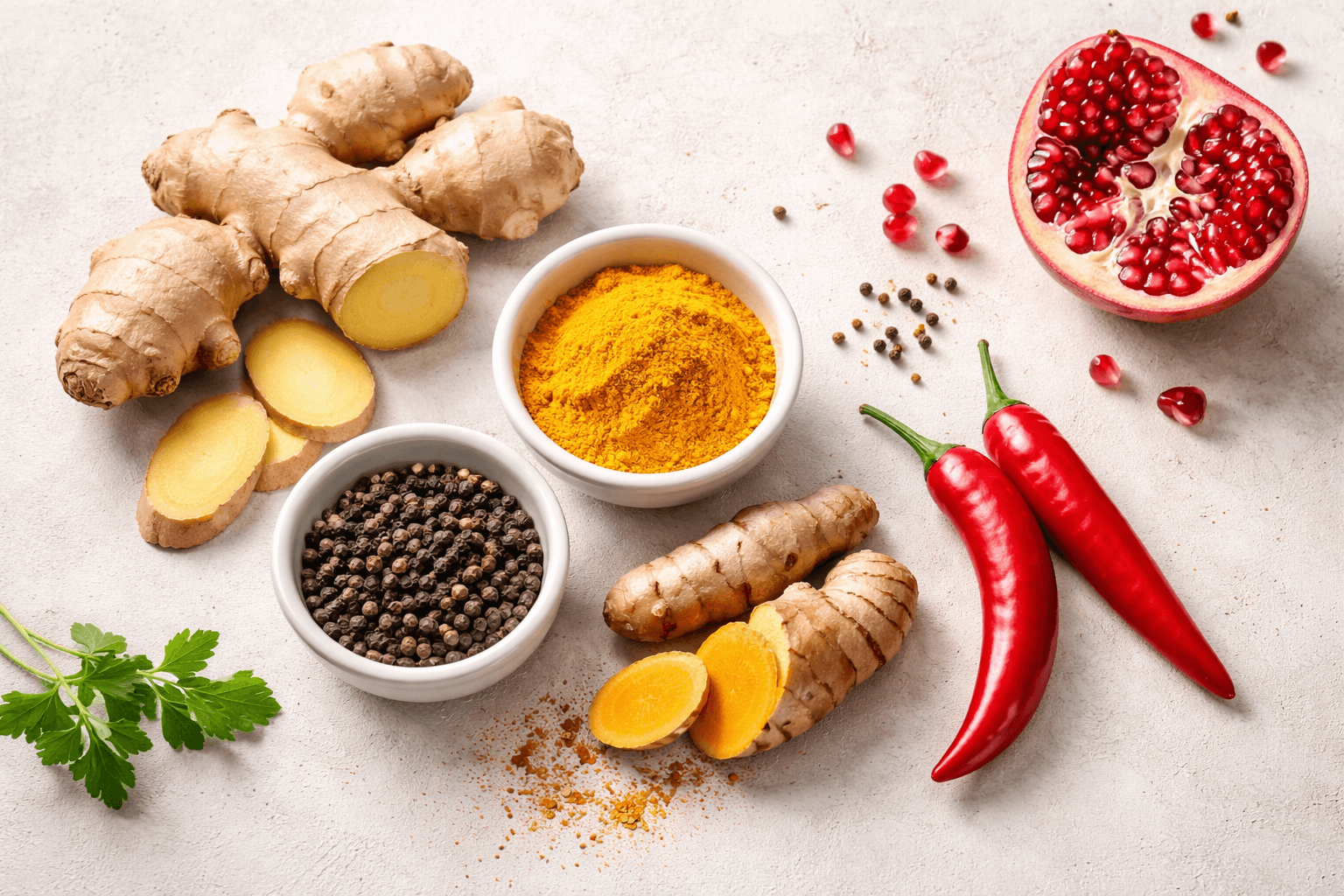
Several plant foods have been studied for their ability to support IAP-related pathways or reduce LPS-driven inflammation in experimental models:
Ginger
Compounds in ginger have been associated with anti-inflammatory and LPS-modulating effects (Tripathi et al., 2008). Ginger also supports motility, helping move microbial byproducts through the gut.
Turmeric
Curcumin reduces LPS-induced cytokine production in experimental research and may support regulatory gut pathways (Wang et al., 2017).
Black pepper
Piperine influences intestinal physiology and may support gut regulatory processes involved in inflammatory balance (Lallès, 2014).
Chili and other hot peppers
Capsaicin has been associated with reduced inflammatory signaling and modulation of gut-related immune responses in preclinical studies (Zhao et al., 2021).
These foods support regulatory pathways gradually, helping create a gut environment less prone to exaggerated immune signaling.
Why This Often Gets Missed in “Gut Healing” Conversations
Much of the popular discussion around “healing the gut lining” focuses on long supplement protocols and products marketed as repairing permeability. These approaches often overlook the body’s own regulatory systems that control inflammation at the gut–immune interface.
Enzymes such as intestinal alkaline phosphatase are part of the gut’s natural defense network. Rather than “sealing” the intestine, they help manage how the immune system responds to normal bacterial components like LPS. This shifts the focus from “fixing a leak” to restoring normal regulatory function—a slower, systems-based process that may be more sustainable for people with postviral illness.
The Takeaway
Gut inflammation in ME/CFS and long COVID is not simply about avoiding certain foods. It often reflects ongoing interaction between the immune system and bacterial components such as LPS.
Intestinal alkaline phosphatase is one of the body’s natural tools for managing this interaction. By neutralizing LPS and supporting barrier stability, IAP helps reduce gut-derived inflammatory signaling that can drive sickness behavior and systemic symptoms.
Dietary patterns that support IAP do not aim to “seal the gut” or promise rapid results. Instead, they support the regulatory mechanisms that normally keep the gut and immune system in a more stable, less reactive state.
References
Maes M, Twisk FN, Kubera M, Ringel K, Leunis JC, Geffard M. Increased IgA responses to the LPS of commensal bacteria is associated with inflammation and activation of cell-mediated immunity in chronic fatigue syndrome. J Affect Disord. 2012;136(3):909-917. doi:10.1016/j.jad.2011.09.010
Liu W, Hu D, Huo H, et al. Intestinal Alkaline Phosphatase Regulates Tight Junction Protein Levels. J Am Coll Surg. 2016;222(6):1009-1017. doi:10.1016/j.jamcollsurg.2015.12.006
Malo MS, Alam SN, Mostafa G, et al. Intestinal alkaline phosphatase preserves the normal homeostasis of gut microbiota. Gut. 2010;59(11):1476-1484. doi:10.1136/gut.2010.211706
Dantzer R, O’Connor JC, Freund GG, Johnson RW, Kelley KW. From inflammation to sickness and depression: when the immune system subjugates the brain. Nat Rev Neurosci. 2008;9(1):46-56. doi:10.1038/nrn2297
Lallès JP. Intestinal alkaline phosphatase: novel functions and protective effects. Nutr Rev. 2014;72(2):82-94. doi:10.1111/nure.12082
Araújo JR, Serafim T, Ismael S, Calhau C, Faria A, Teixeira D. Intestinal Alkaline Phosphatase Activity and Efficiency Are Altered in Severe COVID-19 Patients. Gastro Hep Adv. 2023;2(7):911-917. Published 2023 Jul 17. doi:10.1016/j.gastha.2023.07.003
Tripathi S, Bruch D, Kittur DS. Ginger extract inhibits LPS induced macrophage activation and function. BMC Complement Altern Med. 2008;8:1. Published 2008 Jan 3. doi:10.1186/1472-6882-8-1
Wang J, Ghosh SS, Ghosh S. Curcumin improves intestinal barrier function: modulation of intracellular signaling, and organization of tight junctions. Am J Physiol Cell Physiol. 2017;312(4):C438-C445. doi:10.1152/ajpcell.00235.2016
Zhao X, Dong B, Friesen M, Liu S, Zhu C, Yang C. Capsaicin Attenuates Lipopolysaccharide-Induced Inflammation and Barrier Dysfunction in Intestinal Porcine Epithelial Cell Line-J2. Front Physiol. 2021;12:715469. Published 2021 Sep 24. doi:10.3389/fphys.2021.715469
Gut Inflammation, LPS, and Gut Barrier Function: Common Questions in ME/CFS and Long COVID
-
Gut inflammation in ME/CFS and long-haul COVID / PASC is often linked to immune responses to bacterial components such as lipopolysaccharide (LPS), rather than infection itself. When LPS interacts with immune receptors in the gut, it can trigger systemic inflammatory signaling that contributes to fatigue, brain fog, and flare-like symptoms.
-
LPS is an endotoxin found in the outer membrane of Gram-negative bacteria. When LPS levels increase at the gut–immune interface, it activates inflammatory pathways involving cytokines such as IL-1β, TNF-α, and IL-6. This signaling contributes to what researchers call sickness behavior, which includes fatigue, cognitive slowing, and malaise.
-
The gut barrier helps regulate how bacterial components interact with the immune system. When regulatory mechanisms are strained, immune activation increases, and inflammatory signals can affect the brain. This can contribute to fatigue, reduced concentration, and other neurological symptoms seen in postviral illness.
-
Intestinal alkaline phosphatase is an enzyme produced in the lining of the small intestine. It helps regulate gut inflammation by detoxifying LPS and supporting immune balance at the gut barrier.
-
IAP removes a phosphate group from LPS, which reduces its ability to activate immune receptors. This helps limit inflammatory signaling before it spreads beyond the gut.
-
Research suggests that lower IAP activity may reduce the gut’s ability to neutralize endotoxin. This can increase gut-derived immune activation, which may contribute to ongoing inflammatory symptoms in chronic conditions.
-
Certain plant foods studied in experimental research appear to support pathways related to IAP activity and LPS regulation. These include ginger, turmeric, black pepper, and chili peppers. Food-based strategies tend to support regulatory physiology gradually rather than forcing rapid changes.
-
“Leaky gut” is a popular term often used to describe increased intestinal permeability, but gut inflammation also involves immune signaling, microbial balance, and regulatory enzymes such as IAP. Focusing only on permeability may miss key aspects of how the gut and immune system interact.
-
Many popular gut protocols focus on supplements or elimination strategies rather than the body’s intrinsic regulatory systems. IAP is part of the gut’s natural defense network, but it is less discussed in consumer-facing health information.