Saturated Fat, Inflammation, and Postviral Illness
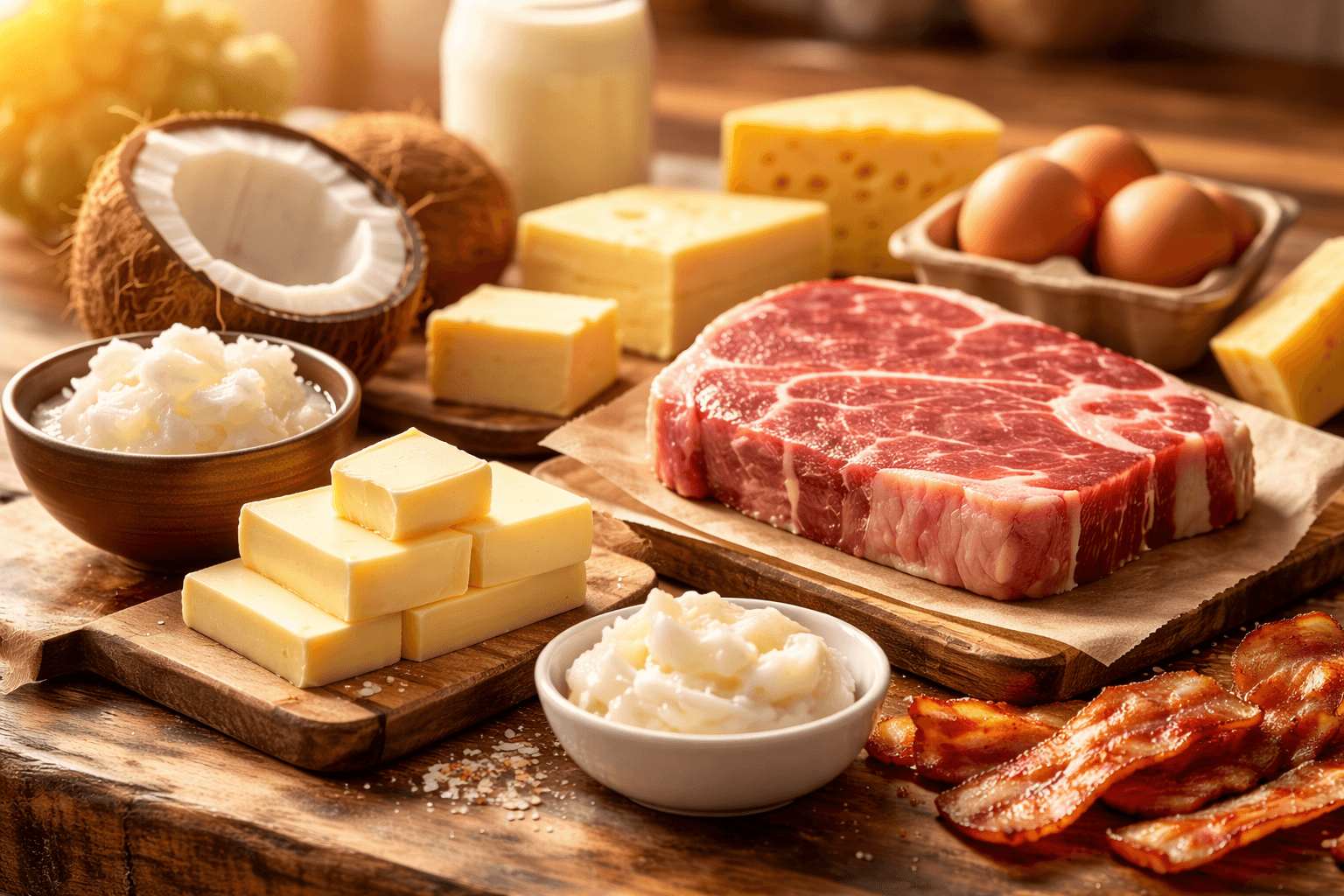
Few nutrients have been as misunderstood as saturated fat. For decades, it was portrayed as uniformly harmful, blamed for everything from heart disease to chronic inflammation. More recently, it has been rehabilitated in some nutrition circles as unfairly demonized and largely benign.
As with most things in nutrition, the truth sits somewhere in between.
If you're interested in the broader role nutrition may play in postviral illness, see my guide to diet and nutrition strategies for long COVID (PASC).
Saturated fat is not inherently toxic. But it is also not physiologically neutral in every context. In people with postviral illnesses such as ME/CFS or long-haul COVID/post-acute sequelae of COVID (PASC), the effects of saturated fat may differ meaningfully from those seen in healthy populations.
To understand why, we need to move beyond simple labels of “good” or “bad” and look more closely at how saturated fat interacts with gut physiology, immune signaling, and metabolic stress in a system already under strain.
💡 Looking for quick answers? Jump to the FAQ
Are Saturated Fats “Good” or “Bad”?
This question is often framed too broadly to be useful. When researchers study saturated fat in the context of cardiovascular disease risk, they are usually asking whether replacing saturated fat with polyunsaturated fat lowers LDL cholesterol or cardiovascular events. That is one question, and it has its own nuance.
But cardiovascular risk is not the only lens that matters, especially in postviral illness. When the focus shifts to gut health, immune activation, and inflammatory signaling, saturated fat behaves differently.
Postviral Physiology Changes the Context
Postviral conditions are often accompanied by a cluster of overlapping physiological changes. This includes:
Altered gut microbiome composition (dysbiosis)
Impaired intestinal barrier function (barrier leakiness)
Low-grade immune activation (involving cytokines such as IL-1β and IL-6)
Heightened sensitivity to inflammatory signaling (via TLR4)
Together, these changes alter how dietary inputs are processed and perceived by the body. Foods or nutrients that are well tolerated in health may have very different downstream effects once regulatory systems are already under strain.
With that context in mind, it becomes easier to understand why saturated fat may interact differently with the gut and immune system in postviral states.
Saturated Fat, Bile Acids, and Microbial Shifts
One key mechanism involves bile acid signaling. Dietary fat stimulates bile secretion, and saturated fat appears to increase bile output more robustly than some unsaturated fats. Bile acids do more than emulsify fat; they act as signaling molecules that shape the gut microbiome and intestinal environment.
Higher bile acid exposure tends to favor bile-tolerant microbes while suppressing some butyrate-producing species (Erlanson-Albertsson & Stenkula, 2021). This shift can reduce short-chain fatty acid production, particularly butyrate, which plays a central role in maintaining intestinal barrier function and immune regulation.
In people with postviral illness, where butyrate production and microbial resilience are often already reduced, this shift may meaningfully affect gut–immune balance. Read more about butyrate in another blog post.
Saturated Fat and Metabolic Endotoxemia in ME/CFS
Metabolic endotoxemia refers to low-grade elevations of bacterial toxins in the bloodstream. The most studied of these is lipopolysaccharide (LPS), a component of the outer membrane of certain gut bacteria.
Under healthy conditions, LPS remains inside the gut and is kept away from the immune system. When small amounts do enter circulation, the immune system treats them as a warning signal. LPS is a potent immune activator, and even low levels can trigger inflammatory responses. For this reason, circulating LPS is generally considered undesirable.
LPS, the Immune System, and ME/CFS
In ME/CFS, this issue appears particularly relevant. Early work by Maes and colleagues showed that many people with ME/CFS have immune antibodies against components of gram-negative gut bacteria, which contain LPS. This pattern suggests repeated immune exposure to bacterial products that normally remain confined to the gut (Maes et al., 2012).
More recent reviews have reinforced this idea. Nikolova et al. (2025) describe ongoing immune activation in ME/CFS linked to gut bacteria and their byproducts entering places they normally shouldn’t. This helps explain why symptoms such as fatigue, cognitive dysfunction, pain, and flu-like malaise can persist even in the absence of an active infection.
How Dietary Fat Influences LPS Exposure
Dietary fat also plays a role in how much LPS reaches circulation. When we eat fat, the body packages it for transport in a way that can carry small amounts of LPS along with it. Research shows that this makes it easier for LPS to move out of the gut and into the bloodstream (Ghoshal et al., 2009).
Human feeding studies have found that after high-fat meals, temporary rises in circulating LPS can occur even in people without chronic illness (Erridge et al., 2007). In someone with postviral illness—where the gut barrier and immune system may already be more sensitive—this effect may be amplified.
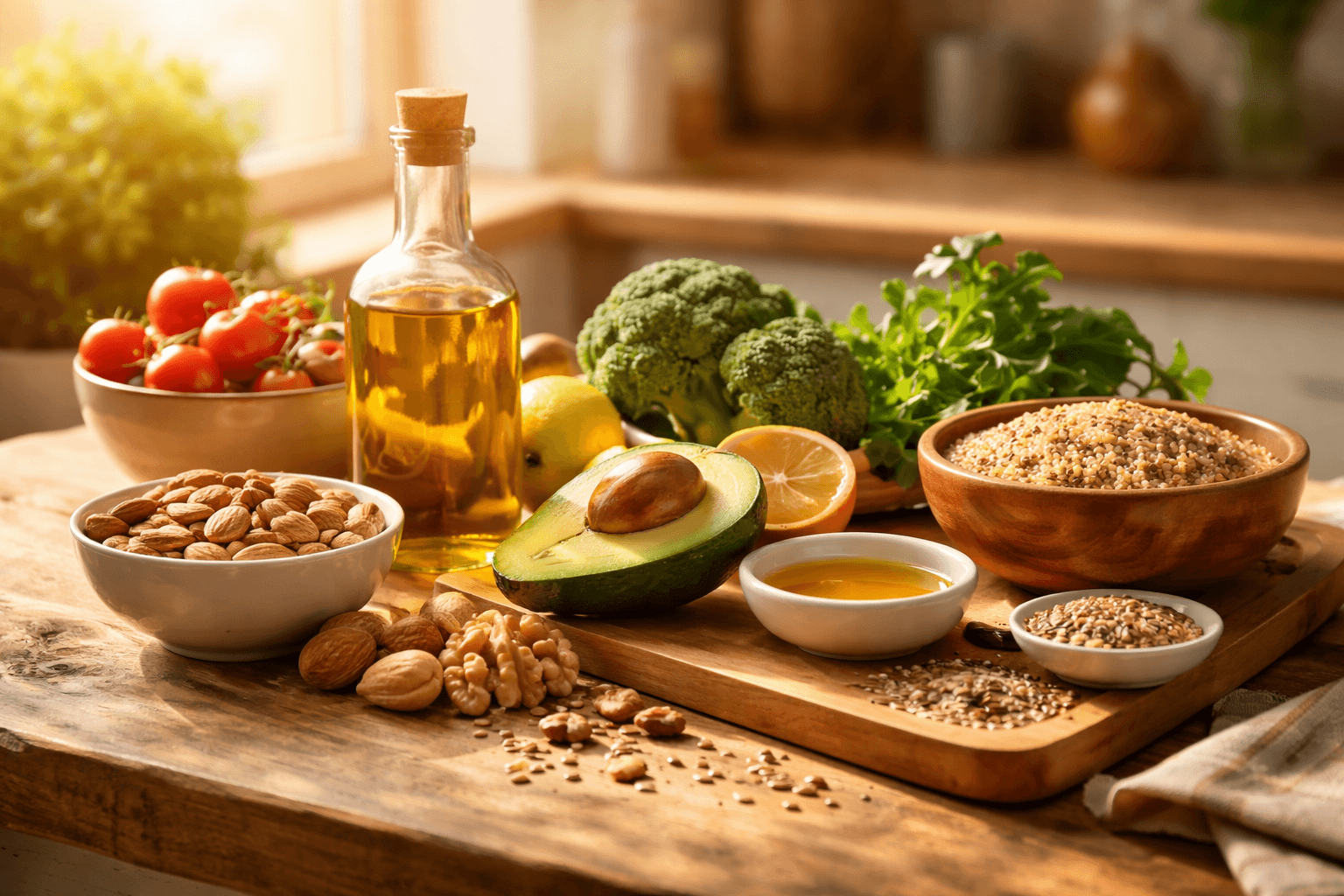
How Fiber and Unsaturated Fats Modify Endotoxemia
If saturated fat can increase LPS/endotoxin exposure under certain conditions, the next question is whether other dietary components can buffer that effect. Evidence suggests they can.
Fiber, Gut Protection, and Why It Matters
Dietary fiber plays an important role in shaping how the gut responds to food. One of its key functions is helping maintain the barrier between the gut and the rest of the body.
Research shows that diets higher in fermentable fiber are associated with lower levels of bacterial toxins entering the bloodstream. Rather than “killing” bacteria, fiber helps strengthen the gut lining itself, making it harder for bacterial byproducts to leak out of the gut and trigger immune responses (Cani et al., 2007; Cani et al., 2008).
One reason for this effect is that fiber feeds beneficial gut bacteria, which produce compounds that help keep the gut barrier healthy. These compounds support the cells lining the intestine and reduce the passage of bacterial products into circulation. In postviral illness, where gut barrier function is often compromised, this support becomes especially important (Nikolova et al., 2025).
This is one reason why very low-fiber diets can backfire for some people with postviral conditions. Without enough fiber, the gut may become more vulnerable to immune activation, particularly when meals are also high in fat.
Unsaturated Fats and Immune Tolerance
Not all fats behave the same way in the body. Compared with saturated fats, unsaturated fats are generally linked to lower inflammatory responses after meals. Studies suggest that meals richer in unsaturated fats are less likely to trigger rises in bacterial toxins in the bloodstream or provoke strong immune reactions afterward (Jawamis et al., 2025).
Unsaturated fats, especially omega-3 fats, also appear to soften the immune system’s response when bacterial signals do appear. Rather than amplifying inflammation, they tend to dampen it. This doesn’t mean they block bacterial products from entering circulation entirely, but it can reduce how strongly the immune system reacts once they are present.
That said, unsaturated fats are not a “fix” on their own. A diet low in fiber but high in any fat is still more likely to provoke symptoms. Fat type and fiber intake work together.
Saturated Fat and Immune Sensitivity
The immune system has built-in sensors designed to detect signs of bacterial threat. One of these sensors, called Toll-like receptor 4 (TLR4), is especially sensitive to bacterial toxins such as LPS.
In people with ME/CFS, this sensing system appears to be more easily triggered. Research has linked heightened TLR4 activity to ongoing immune activation in ME/CFS, even when no active infection is present (Deumer et al. 2021). When this system is repeatedly stimulated, it can keep the immune response switched on at a low level rather than allowing it to fully settle.
Saturated fat may interact with this process. Studies suggest that saturated fats can make this bacterial-sensing pathway more reactive, meaning that when LPS is present, the immune response may be stronger or more prolonged than it would otherwise be (Lee et al., 2001; Erlanson-Albertsson & Stenkula, 2021).
A More Useful Way to Think About Saturated Fat
In postviral illness, nutrition works best when it’s not treated as a set of rules. With saturated fat, the question is less about whether it’s “good” or “bad” and more about context, what else is in the meal, how resilient the gut is, and how reactive the immune system happens to be.
This helps explain why some people feel worse on very high–saturated-fat diets (like keto or carnivore), even when those diets are marketed as anti-inflammatory. Postviral physiology changes the rules, and responses can vary widely.
If you’ve noticed that certain high-fat dietary patterns worsened your symptoms, or that adding fiber back in changed how you tolerate fat, I’d love to hear about it. Sharing these experiences helps make the conversation around postviral nutrition more honest and more useful for others navigating the same terrain.
Frequently Asked Questions: Saturated Fat and Postviral Illness
-
Saturated fat is not inherently inflammatory, but its effects depend on physiological context. In postviral illness, where gut barrier function and immune regulation are often impaired, saturated fat may contribute to inflammatory signaling more readily than it would in healthy individuals. Mechanisms such as increased bile acid secretion, enhanced endotoxin absorption, and immune priming through TLR4 help explain why responses can differ in this population.
-
Saturated fat can influence gut health indirectly by altering bile acid signaling and the gut microbiome. Higher saturated fat intake may favor bile-tolerant microbes and suppress butyrate-producing species, which are important for maintaining intestinal barrier integrity. In postviral illness, where gut resilience is often reduced, these effects may be more clinically relevant. These could have overall negative effects on the gut microbiome.
-
Some people with ME/CFS report increased fatigue, brain fog, or symptom flares on ketogenic diets. One possible reason is that ketogenic diets are often very high in saturated fat and very low in fiber. In a gut already prone to permeability and immune activation, this combination may increase endotoxin exposure and inflammatory signaling rather than reduce it. Responses vary widely, and not everyone with ME/CFS reacts the same way.
-
Carnivore-style diets eliminate fiber entirely and rely heavily on animal fats, including saturated fat. In individuals with postviral illness, this pattern may reduce microbial diversity and butyrate production while increasing exposure to gut-derived inflammatory signals. This does not mean the carnivore diet is inherently harmful, but it helps explain why some people experience symptom worsening rather than improvement.
-
Dietary fiber does not “cancel out” fat, but it does change how dietary fat is processed. Fiber supports short-chain fatty acid production, particularly butyrate, which strengthens intestinal barrier integrity and reduces translocation of bacterial products like LPS. In postviral illness, adequate fiber intake may help reduce the inflammatory impact of meals that include fat.
-
Unsaturated fats, including polyunsaturated fats, are generally associated with lower postprandial endotoxin responses and reduced inflammatory signaling compared with saturated fats. They may also modulate immune responses to endotoxin (LPS) once it enters circulation. That said, overall dietary pattern matters more than any single fat type.
-
There is no evidence that people with ME/CFS or long-haul COVID need to eliminate saturated fat completely. The more relevant question is whether saturated fat is consumed within a dietary pattern that supports gut integrity, microbial diversity, and immune stability. Tolerance varies widely, and rigid rules are rarely helpful in postviral illness.
-
In long-haul COVID / Post-Acute Sequelae of COVID (PASC), persistent immune activation and gut barrier disruption are common. In this context, dietary patterns very high in saturated fat may increase inflammatory signaling through mechanisms such as endotoxin absorption and innate immune activation. This may help explain why responses to high-fat diets vary widely in people with long COVID.
-
Rather than focusing on macronutrient targets, it is often more useful to pay attention to how you feel in the hours after meals. Repeated post-meal fatigue, brain fog, pain, or symptom flares after very high–saturated-fat meals may suggest that context matters for you. This kind of pattern recognition is often more informative than nutrition labels alone.
References
Nikolova R, Donchev D, Vaseva K, Ivanov IN. Gut microbiome and myalgic encephalomyelitis/chronic fatigue syndrome (ME/CFS): insights into disease mechanisms. Int J Mol Sci. 2025;27(1):425. doi:10.3390/ijms27010425
Erlanson-Albertsson C, Stenkula KG. The importance of food for endotoxemia and an inflammatory response. Int J Mol Sci. 2021;22(17):9562. doi:10.3390/ijms22179562
Ghoshal S, Witta J, Zhong J, de Villiers W, Eckhardt E. Chylomicrons promote intestinal absorption of lipopolysaccharides. J Lipid Res. 2009;50(1):90–97.
Erridge C, Attina T, Spickett CM, Webb DJ. A high-fat meal induces low-grade endotoxemia. Am J Clin Nutr. 2007;86(5):1286–1292.
Maes M, Twisk FN, Kubera M, et al. Increased IgA and IgM responses against gut commensals in myalgic encephalomyelitis/chronic fatigue syndrome. J Affect Disord. 2012;136(3):909–917.
Jawamis A, Al-Domi H, Al Sarayreh N. Effect of dietary fat intake on metabolic endotoxemia: mechanisms and clinical insights. Clin Nutr ESPEN. 2025;69:415–420. doi:10.1016/j.clnesp.2025.07.1124
Cani PD, Amar J, Iglesias MA, et al. Metabolic endotoxemia initiates obesity and insulin resistance. Diabetes. 2007;56(7):1761–1772.
Cani PD, Bibiloni R, Knauf C, et al. Changes in gut microbiota control metabolic endotoxemia-induced inflammation. Diabetes. 2008;57(6):1470–1481.
Lee JY, Sohn KH, Rhee SH, Hwang D. Saturated fatty acids, but not unsaturated fatty acids, induce cyclooxygenase-2 expression via Toll-like receptor 4. J Biol Chem. 2001;276(20):16683–16689.
Deumer US, Varesi A, Floris V, et al. Myalgic Encephalomyelitis/Chronic Fatigue Syndrome (ME/CFS): An Overview. J Clin Med. 2021;10(20):4786. Published 2021 Oct 19. doi:10.3390/jcm10204786