Long COVID Diet: A Science-Based Nutrition Guide
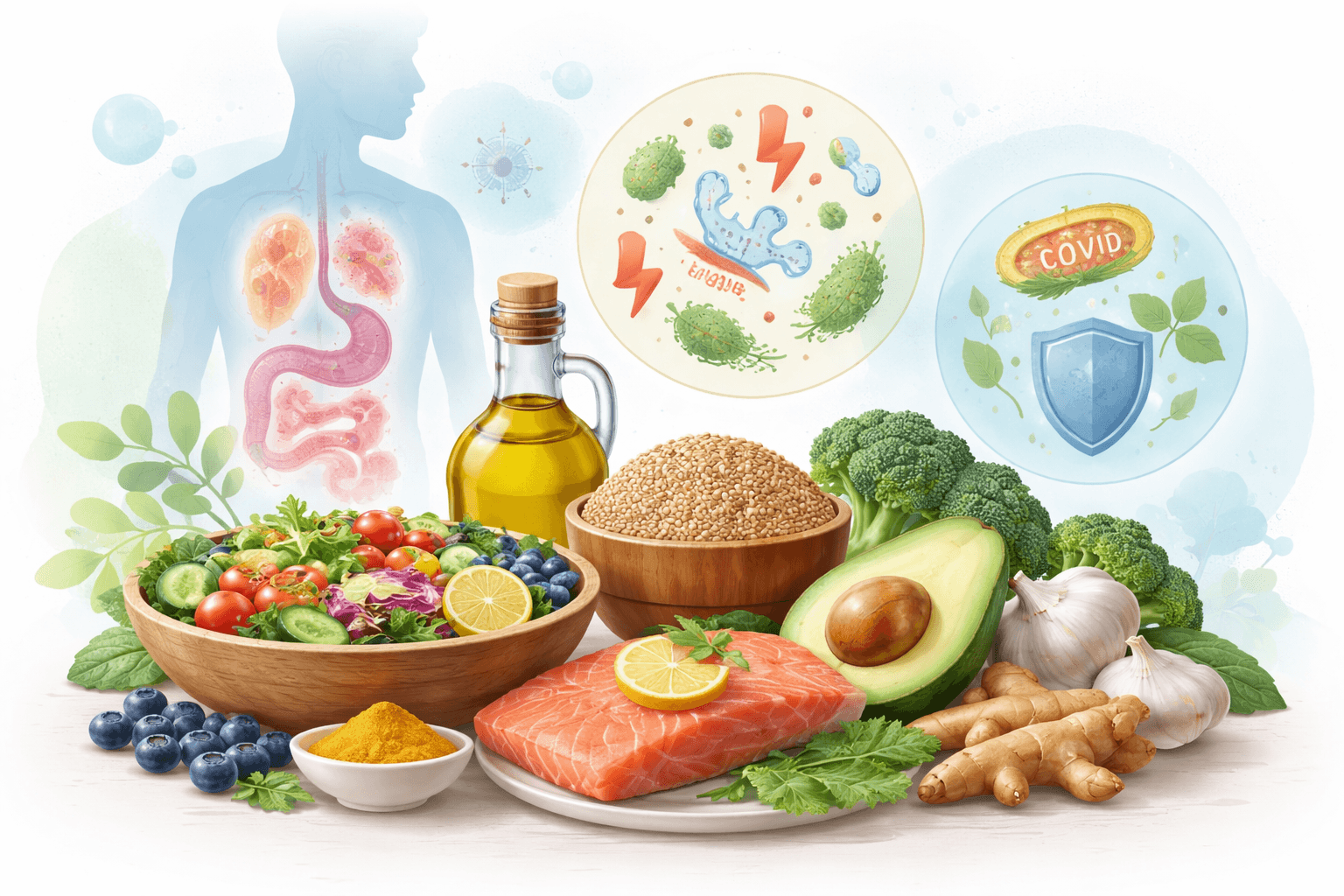
Many people with long COVID notice that their symptoms respond to diet. Certain foods may worsen fatigue, brain fog, inflammation, or digestive symptoms, while others appear easier to tolerate.
This does not mean that diet can cure long COVID. However, growing research suggests that nutrition can influence several biological systems involved in postviral illness, including inflammation, mitochondrial metabolism, and the gut microbiome.
In this guide, I summarize the main nutrition mechanisms currently discussed in long COVID / Post-Acute Sequelae of COVID (PASC) and explain how diet may interact with them. Each section links to more detailed articles where I discuss these topics in greater depth.
💡 Looking for quick answers? Jump to the FAQ
Why Diet May Influence Long COVID Symptoms
Long COVID appears to involve multiple overlapping biological processes. Research has pointed to immune dysregulation, metabolic changes, persistent inflammation, and alterations in the gut microbiome.
Nutrition can interact with many of these pathways.
For example, diet affects the composition of the gut microbiota, the production of microbial metabolites such as short-chain fatty acids, and the integrity of the intestinal barrier. These factors can influence immune signaling and inflammation throughout the body.
Diet also affects mitochondrial metabolism and energy production. Because fatigue and post-exertional malaise are central features of long COVID, metabolic health may be particularly important.
Understanding these mechanisms can help explain why some individuals with long COVID become sensitive to certain foods while tolerating others more easily.
Gut Dysbiosis and the Microbiome in Long COVID
Several studies have reported persistent changes in the gut microbiome after COVID-19 infection. These alterations often include reduced microbial diversity and decreased levels of beneficial bacteria that produce short-chain fatty acids such as butyrate.
Gut dysbiosis may influence inflammation, immune signaling, and the integrity of the intestinal barrier. These factors are increasingly discussed in both long COVID and ME/CFS research.
Diet strongly shapes the microbiome. Fiber, polyphenols, and certain plant compounds support microbial diversity, while highly processed diets may contribute to microbial imbalance.
If you want a deeper explanation of this topic, see my full article:
Read more → Gut Dysbiosis in ME/CFS and Long COVID
Read more → Polyphenols for Improving Gut Health in Long COVID
Read more → High-Fiber Diet in Long COVID
Mitochondrial Dysfunction and Energy Metabolism
Mitochondrial dysfunction is increasingly discussed as one of the core biological problems in long COVID. Mitochondria help convert food into usable cellular energy, and when this process becomes impaired, the result may be fatigue, poor exercise tolerance, muscle symptoms, and cognitive dysfunction.
This does not mean the problem is simply a lack of calories. The issue may involve how the body processes and uses fuel.
Some researchers have proposed that long COVID may involve impaired oxidative phosphorylation, altered fatty acid metabolism, or reduced metabolic flexibility. In practical terms, this could help explain why some people feel worse with large meals, high-sugar foods, or diets that do not match their current metabolic tolerance.
This is also where dietary composition may matter. Protein provides amino acids needed for tissue repair, immune function, and mitochondrial enzymes. Fat quality may influence inflammation and membrane function. Carbohydrate intake may affect blood sugar swings, post-meal fatigue, and how easily someone can meet their energy needs.
I explore these nutrition questions in more detail here:
Read more → Protein and Postviral Illness
Read more → Saturated Fat and Inflammation in Long COVID
Read more → Low-Carb Diets in ME/CFS and Long COVID
Histamine Intolerance and Mast Cell Activation
Some individuals with long COVID experience symptoms consistent with mast cell activation, including flushing, headaches, digestive discomfort, anxiety, and sensitivity to certain foods.
Histamine signaling may be involved in these reactions. Histamine is present in some foods and can also be produced by gut bacteria or released by mast cells.
Alcohol and certain fermented foods can sometimes worsen symptoms because they may increase histamine exposure or interfere with histamine metabolism.
For a more detailed explanation of histamine signaling, mast cells, and dietary considerations, see my articles:
Read more → Histamine Intolerance in Postviral Illness
Read more → What is a Low-Histamine Diet?
Alcohol Intolerance in Long COVID
Alcohol intolerance is frequently reported in both long COVID and ME/CFS. Even small amounts of alcohol may worsen symptoms such as fatigue, headaches, flushing, or anxiety.
Several mechanisms may contribute to this reaction. Alcohol metabolism produces acetaldehyde, a reactive compound that can influence inflammatory signaling and histamine pathways. Alcohol may also temporarily inhibit the enzyme diamine oxidase (DAO), which helps break down dietary histamine.
These effects may lower the threshold for symptoms in individuals whose immune or metabolic systems are already stressed.
I explain these mechanisms in more detail here:
Read more → Alcohol Intolerance in ME/CFS and Long COVID
Brain Fog and Metabolic Dysfunction
Cognitive symptoms such as brain fog are among the most common complaints in long COVID.
Researchers have proposed several mechanisms that could contribute to these symptoms, including neuroinflammation, altered cerebral metabolism, and changes in neurotransmitter signaling.
Metabolic factors may also play a role. The brain has high energy demands, and disruptions in mitochondrial function or glucose metabolism could potentially affect cognitive performance.
Diet may influence these pathways through effects on blood sugar regulation, inflammation, and gut-brain signaling.
For a deeper discussion of the biology behind brain fog, see:
Read more → Brain Fog in ME/CFS and Long COVID
Read more → Tips to Reduce Brain Fog in Long COVID
Butyrate and the Gut Barrier
Butyrate is a short-chain fatty acid produced by certain gut bacteria when they ferment dietary fiber.
This compound plays an important role in intestinal health. It supports the cells that line the gut, helps maintain barrier integrity, and influences immune signaling.
Reduced levels of butyrate-producing bacteria have been observed in several chronic inflammatory conditions, including long COVID.
Dietary patterns that support microbial diversity may help increase the production of beneficial microbial metabolites like butyrate.
For a full discussion of this topic, see:
Read more → Butyrate and Gut Health in Postviral Illness
Fasting and Metabolic Strategies
Some researchers are exploring metabolic interventions such as fasting or ketogenic diets as potential tools for improving mitochondrial function and metabolic flexibility.
These approaches remain experimental in the context of long COVID and may not be appropriate for everyone, especially individuals with severe fatigue or nutritional sensitivities.
However, metabolic health is an active area of research in postviral illness.
I discuss this topic in more detail here:
Read more → Fasting and Metabolism in Long COVID
A Personalized Approach to Nutrition
One of the challenges in long COVID is that symptom patterns vary widely between individuals.
Some people develop histamine sensitivity, others experience digestive disturbances, and some notice metabolic symptoms such as reactive hypoglycemia or fatigue after meals.
Because of this variability, nutrition strategies often need to be individualized.
Rather than focusing on rigid dietary rules, many patients benefit from identifying patterns in their own symptom responses and working toward a balanced, sustainable diet that supports metabolic and gut health.
You can learn more about this option here:
Read more → Nutrition Consultations for Postviral Illness
Related Articles
If you want to explore these topics further, you may find these articles helpful:
FAQ: Frequently Asked Questions About Diet and Long COVID
-
No. At present there is no evidence that diet alone can cure long COVID. However, nutrition may influence biological systems involved in postviral illness, including inflammation, gut health, and metabolic function. For some individuals, dietary adjustments may help improve symptom management or tolerance to certain foods.
-
There is no single diet that works for everyone with long COVID. Some individuals benefit from anti-inflammatory dietary patterns, while others may need to temporarily modify their diet because of issues such as histamine intolerance, digestive symptoms, or blood sugar instability. Nutrition strategies often need to be individualized.
-
It may. Protein provides amino acids needed for immune function, tissue repair, enzymes, and mitochondrial processes. In people with long COVID who are eating too little overall, skipping meals, or under-consuming protein, this may contribute to weakness, poor recovery, or unstable energy. The answer is not always a high-protein diet, but adequate protein is often overlooked.
-
Some people with long COVID report feeling better on a lower-carb diet, especially if they struggle with post-meal fatigue, reactive hypoglycemia, or wide swings in energy. One possible reason is that lower-carb approaches may reduce blood sugar variability and better match the needs of people with impaired metabolic flexibility. However, low-carb diets are not appropriate for everyone, and they can be too restrictive for some patients.
-
Food sensitivities may develop because long COVID can affect several biological systems. These may include the gut microbiome, immune signaling, mast cell activity, and metabolic pathways. Changes in these systems can alter how the body responds to certain foods.
-
Emerging research suggests that gut microbiome changes may occur after COVID infection. These changes can influence immune signaling, inflammation, and the production of microbial metabolites such as short-chain fatty acids. Diet plays an important role in shaping the gut microbiome.
-
Some metabolic interventions such as fasting or ketogenic diets are being explored in research settings. However, these approaches are not appropriate for everyone and should be considered carefully, especially for individuals with severe fatigue or nutritional sensitivities.
-
There is no universal list of foods that everyone with long COVID must avoid. However, some individuals notice that certain foods worsen symptoms such as fatigue, brain fog, headaches, or digestive discomfort.
Several biological mechanisms may explain these reactions. Long COVID can involve changes in immune signaling, the gut microbiome, and metabolic pathways. These changes may lower tolerance to substances that increase inflammation, histamine signaling, or metabolic stress.
Common triggers reported by patients include alcohol, highly processed foods, and foods high in histamine. Some individuals also notice that large amounts of refined sugar or rapidly absorbed carbohydrates worsen fatigue or brain fog.
Because responses vary widely between individuals, keeping a food and symptom journal can sometimes help identify personal patterns.
References
Bigman G, Rusu ME, Shelawala N, Sorkin JD, Beamer BA, Ryan AS. A Comprehensive Scoping Review on Diet and Nutrition in Relation to Long COVID-19 Symptoms and Recovery. Nutrients. 2025;17(11):1802. Published 2025 May 26. doi:10.3390/nu17111802
Caliman-Sturdza OA, Hamamah S, Iatcu OC, Lobiuc A, Bosancu A, Covasa M. Microbiome and Long COVID-19: Current Evidence and Insights. Int J Mol Sci. 2025;26(20):10120. Published 2025 Oct 17. doi:10.3390/ijms262010120
Thangaleela S, Wang CK. Impact of nutrition on long COVID. Sports Med Health Sci. 2025;8(2):128-144. Published 2025 Sep 5. doi:10.1016/j.smhs.2025.09.002
An Y, He L, Xu X, et al. Gut microbiota in post-acute COVID-19 syndrome: not the end of the story. Front Microbiol. 2024;15:1500890. Published 2024 Dec 24. doi:10.3389/fmicb.2024.1500890